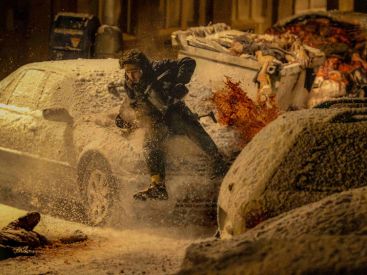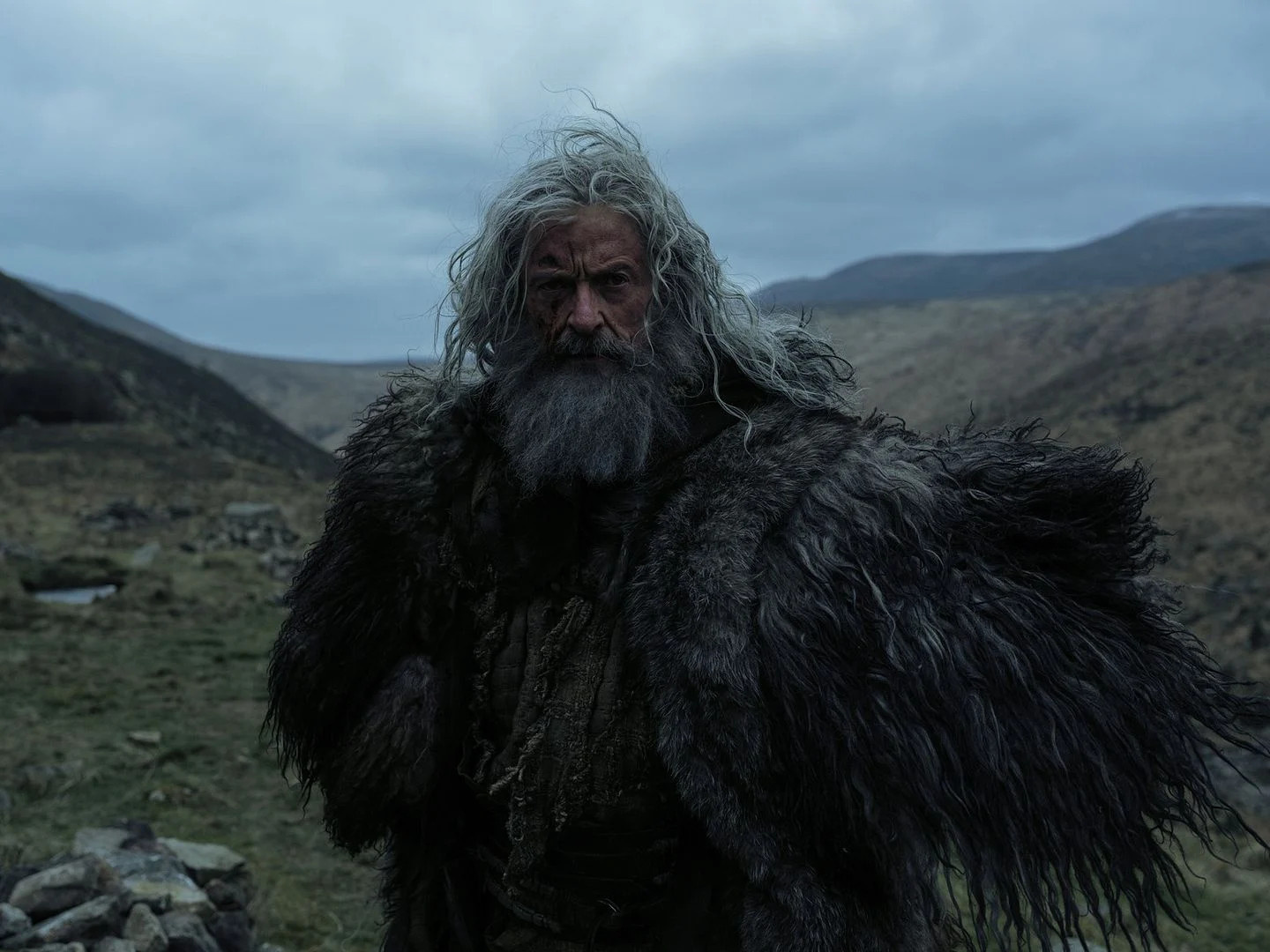
They Called Him Robin Hood hits theaters in France on July 1, 2026. Directed by Michael Sarnoski, this action-adventure thriller reimagines the Robin Hood myth in a darker vein, led by Hugh Jackman, Jodie Comer and Bill Skarsgård.
They Called Him Robin Hood
Film | 2026
Release in theaters: July 1, 2026
Action, Adventure, Thriller | Runtime: 2h 02
Directed by Michael Sarnoski | Screenplay by Michael Sarnoski
Starring Hugh Jackman, Jodie Comer, Bill Skarsgård
Original title: The Death of Robin Hood
Country: United States
France distribution: Metropolitan FilmExport
The film shifts away from the traditional image of a popular vigilante, turning its lens to an aging Robin Hood, haunted by his past and scarred by a life of crime and violence. The trailer establishes a somber, dusk-lit tone, focusing on the character’s late-life arc rather than a classic heroic adventure.
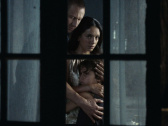
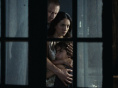
In They Called Him Robin Hood, Robin is left for dead after a fight he believed would be his last. Rescued by a mysterious woman, he’s offered one final shot at redemption. The narrative hinges on a simple question: what remains of a hero when legend gives way to the consequences of his deeds?
Our take on the film We Called Him Robin Hood
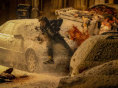
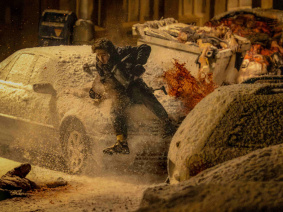
The first jolt of We Called Him Robin Hood comes from its violence. Direct, stark, almost excessive, it signals from the start that Michael Sarnoski isn’t chasing the heroic panache of the Sherwood legend, but probing its ruins instead.
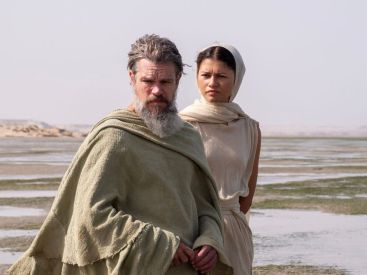
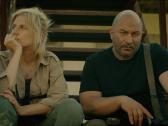
Directed and written by Michael Sarnoski, We Called Him Robin Hood, the French title of The Death of Robin Hood, hits French screens on July 1, 2026. Hugh Jackman plays an aging Robin Hood, worn down by a life of crime and brutality, left for dead before being found by a mysterious woman played by Jodie Comer. Surrounding them, the cast also includes Bill Skarsgård, Murray Bartlett, and Noah Jupe.
The film makes its stance clear: to crack the myth of the generous vigilante and return to a man haunted by what he has done. This Robin is no longer a radiant legend, but a tired body, a former bandit whose potential redemption lies in silence, pain, and erasure. On paper, this twilight approach is intriguing, especially in an era when heroic figures are often reexamined through their shadows.
For our part, we remain divided over what this reimagining truly adds to the character. The aim of presenting a bloodthirsty Robin rather than a hero works as a counterpoint, but the narrative struggles to transcend that intention. The character remains hard to reach, unfriendly, and the attachment the priestess seems to develop for him lacks obvious dramatic basis. This distance curtails the emotion, even when the film seeks to make slowness a space for remorse and repair.
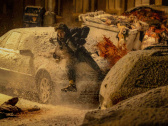
Formally, however, We Called Him Robin Hood is impressive. The shots are meticulously composed, the attention to detail evident in the faces, the textures, the wounded bodies, and the natural surroundings. The sound design, propelled by a guttural score, establishes a brutal, organic, almost sacred Middle Ages. Even the film’s opening ultra-violence carries a strong visual force, as though it were crafted within frame, sound, and movement.
Yet that beauty doesn’t always sustain the substance. After its brutal opening, the film becomes slow, introspective, and mournful. Slow pacing isn’t inherently a flaw: it suits a story about a hero nearing the end of the road. It risks alienating viewers expecting a more densely dramatic arc or a true reinvention of the myth. The movie keeps you watching to the end without real boredom, but it mostly leaves you with a strong aesthetic impression rather than a lasting emotion or reflection.
The film speaks more to viewers drawn to dark reimaginings of mythical figures, tales of guilt, twilight Westerns, and redemption dramas. Fans of crafted mise-en-scène, mineral atmospheres, and rugged medieval sensibilities may find a singular experience here.
It will appeal less to those hoping for a family-friendly, heroic, or brisk adventure, or to viewers seeking a Robin Hood who is endearingly romantic or generous with action in the classical sense. Those who are sensitive to the film’s early frontal violence or to highly contemplative narratives may also stay distant.
We Called Him Robin Hood remains a coherent proposition in its rejection of the luminous myth, but uneven in its ability to translate that idea into genuine emotion. A visually stunning, immersive film in its sound and texture, yet its darkness leaves fewer traces than its imagery.
The official trailer offers a darker, grittier take on Robin Hood, centering on a hero haunted by his past and facing one last shot at redemption.
To extend the in-theater experience, check out the July movie releases, the must-see films right now, and our picks of the action films of the year.
This page may contain AI-assisted elements, more information here.