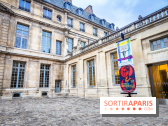
As a universal symbol of purity and mystery, the unicorn takes center stage in a groundbreaking exhibition at the Musée de Cluny - National Museum of the Middle Ages in Paris, running from March 10 to July 12, 2026. Titled Unicorn!, this exhibition is a collaborative effort with the Museum Barberini in Potsdam and the Grand Palais. It offers a poetic and scientific journey into the world of this legendary creature.
Through ten thematic sections and around a hundred works from prestigious museums such as the Rijksmuseum in Amsterdam, the Prado National Museum in Madrid, the Victoria and Albert Museum in London, the Kunsthistorisches Museum in Vienna, and the Louvre Museum, the exhibition traces the millennial fascination with this mythical creature.
A mythical creature, the unicorn was long believed to be real. Inaccessible and untameable, it has inspired artists since ancient times. Marco Polo himself claimed to have encountered one during his travels in Asia. Ancient traces attest to its universal spread: a seal engraved in the Indus Valley around 2000 BC, a Qilin carved during the Han dynasty in China (around 206–220), and a 17th-century Turkish earthenware dish depicting a unicorn alongside a deer and a lion.
The exhibition also evokes European representations, notably that of Canon Bernhard von Breydenbach who, in his Holy Journey to Jerusalem (late 15th century), describes the unicorn among the exotic animals observed during a pilgrimage to the Holy Land.
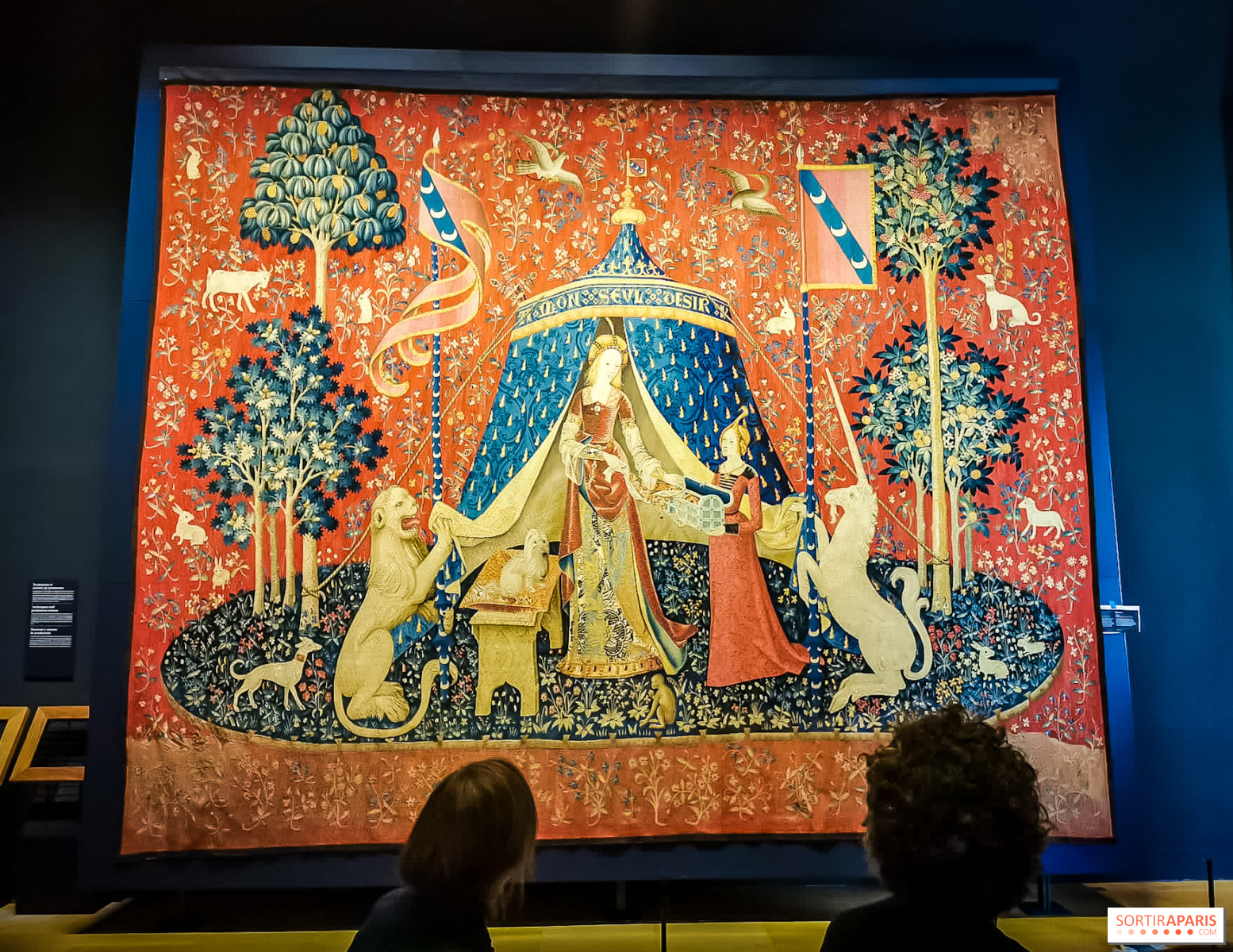
The Musée de Cluny, home to the famous La Dame à la licorne tapestries, provides an ideal setting for this exhibition. This series of six hangings from the early XVIᵉ century, a masterpiece of medieval art, illustrates the five senses - touch, taste, smell, hearing and sight - as well as a sixth tapestry marked with the motto À mon seul désir. These richly symbolic works will be at the heart of the tour, serving as a starting point for exploring the myth.
Already in 2018, the museum devoted an exhibition entitled Magiques Licornes to this legendary creature, which met with great interest. The new 2026 exhibition will follow in the same vein, delving into artistic and religious representations of the unicorn, from the Renaissance to the present day.
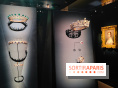
The works presented will evoke the different facets of the unicorn: sometimes wild, as on a silver Torah crown from 1778, sometimes healing, as in the Victoria and Albert Museum's Danny Jewel, designed around 1550 to contain a fragment of unicorn horn - actually a narwhal tooth - reputed to neutralize poisons.
The exhibition will also show the evolution of myth in modern and contemporary art. The animal, once associated with Christ in medieval symbolism, sometimes becomes a figure of inclusion and emancipation. A Ukrainian crest from 2020, preserved in the Museum Barberini, depicts the unicorn as a queer symbol and emblem of resistance in the face of oppression. In addition, artists such as Niki de Saint Phalle and Suzanne Husky have reinterpreted the unicorn in recent works exhibited at Cluny, such as La Licorne and La noble pastorale.
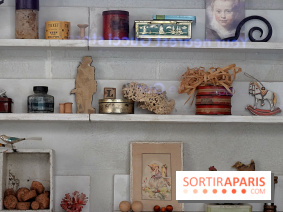
Fascination with unicorns was also expressed in curiosity cabinets or the furniture of grand residences. Rosenborg Castle, in Copenhagen, preserves a 17thᵉ century tankard carved from a narwhal tooth and decorated with small silver unicorns. These objects testify to the persistence of the myth over the centuries, between wonder and superstition.
Through these varied pieces, the exhibition highlights the universal dimension of the unicorn, a symbol of purity, power and mystery. Its presence in both Western and Eastern art illustrates the permanence of a shared imaginary that crosses cultures and eras.
The Unicorn! exhibition is aimed at a wide audience interested in mythology, medieval art and symbolic representations. Lovers of history, iconography and visual culture will find a scientific and well-documented approach. Families and curious visitors will appreciate the diversity of works on display, from ancient objects to contemporary creations.
The exhibition will also appeal to audiences sensitive to the intercultural dimension of the myth, as well as to current reflections on symbols and identities. The various thematic sections will enable visitors to discover the unicorn as a mirror of the beliefs and values of each era.
The exhibition may not appeal to those seeking an immersive, interactive or spectacular experience. The tour favors a classic museographic approach, based on contemplation, documentation and contextualization of the works.
Visitors with little interest in ancient art or religious symbolism may find the exhibition more intellectual than entertaining. The event is first and foremost an exhibition for study and transmission, in keeping with the Musée de Cluny's heritage and scientific mission.
This page may contain AI-assisted elements, more information here.
Dates and Opening Time
From March 10, 2026 to July 12, 2026
Location
Musée du Moyen-Age - Musée de Cluny
28 Rue du Sommerard
75005 Paris 5
Access
Metro line 10 "Cluny - La Sorbonne" station
Prices
Tarif réduit: €10
Plein tarif: €12
Official website
www.musee-moyenage.fr
More information
Open every day except Monday from 9:30 a.m. to 6:15 p.m.