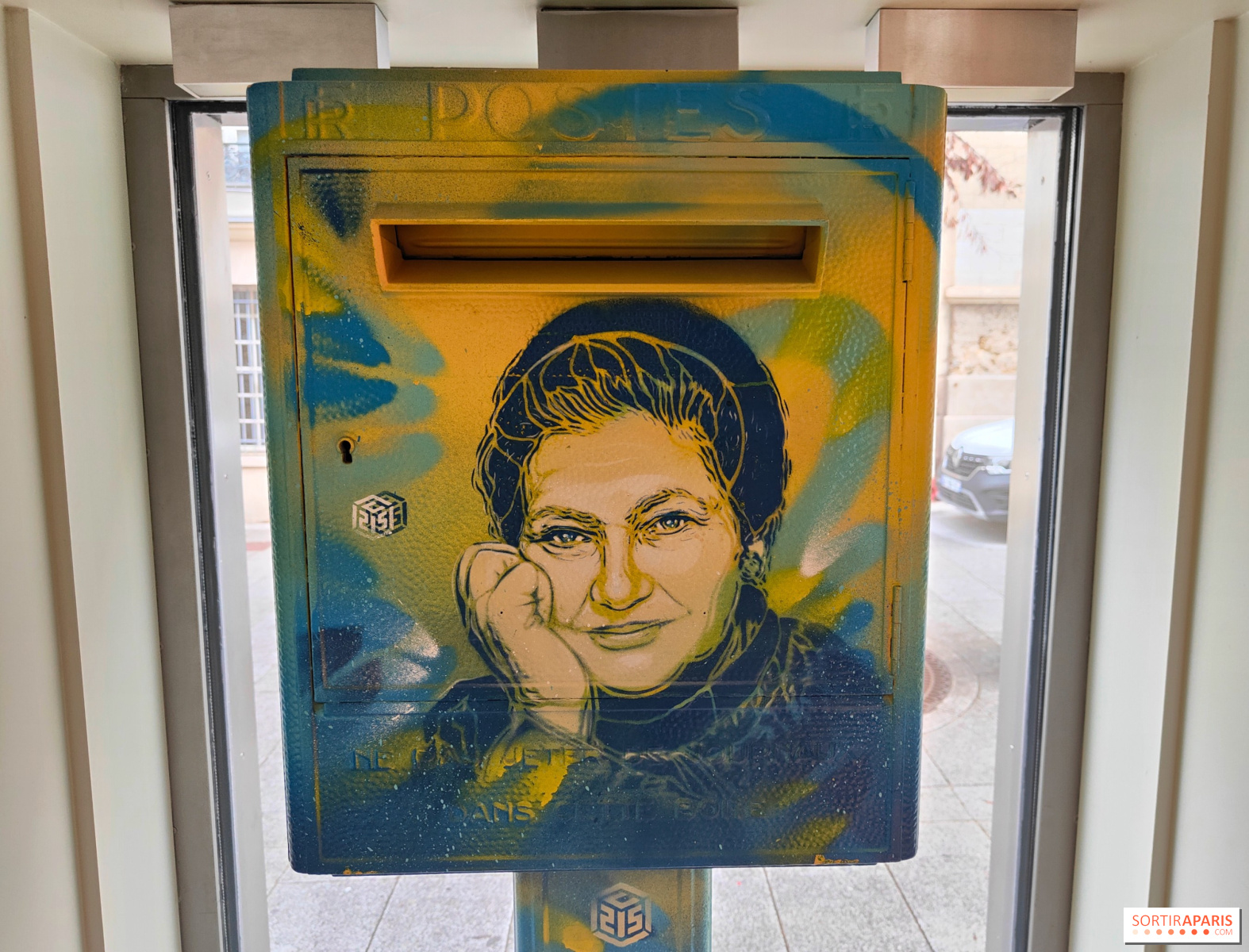
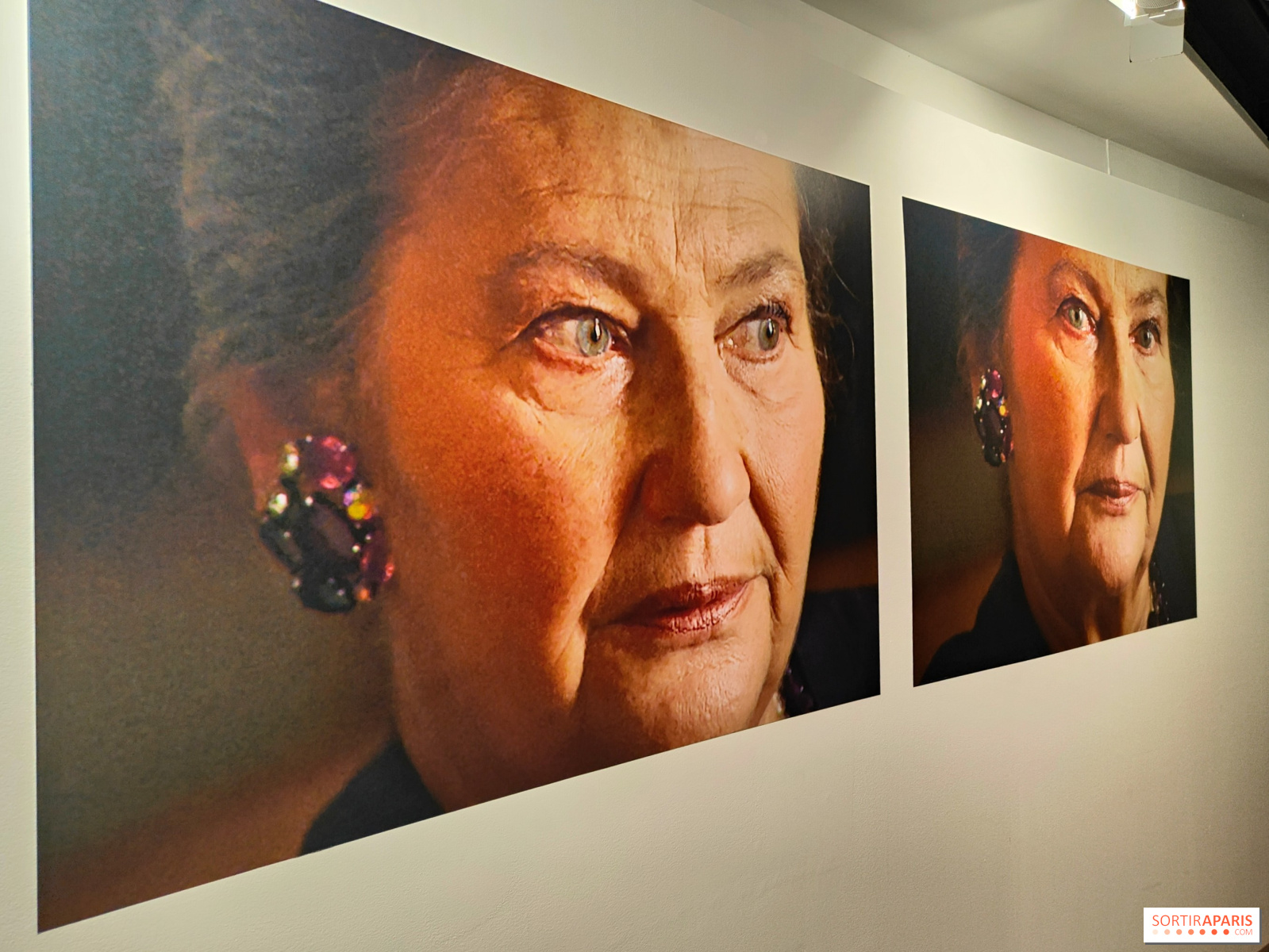
There’s no need for an introduction to Simone Veil. A Holocaust survivor, a French minister, a European deputy, a member of the French Academy, and a symbol of the fight for the decriminalization of abortion—Simone Veil’s life has been extensively documented due to her numerous roles and impactful battles that left a mark on France and Europe.
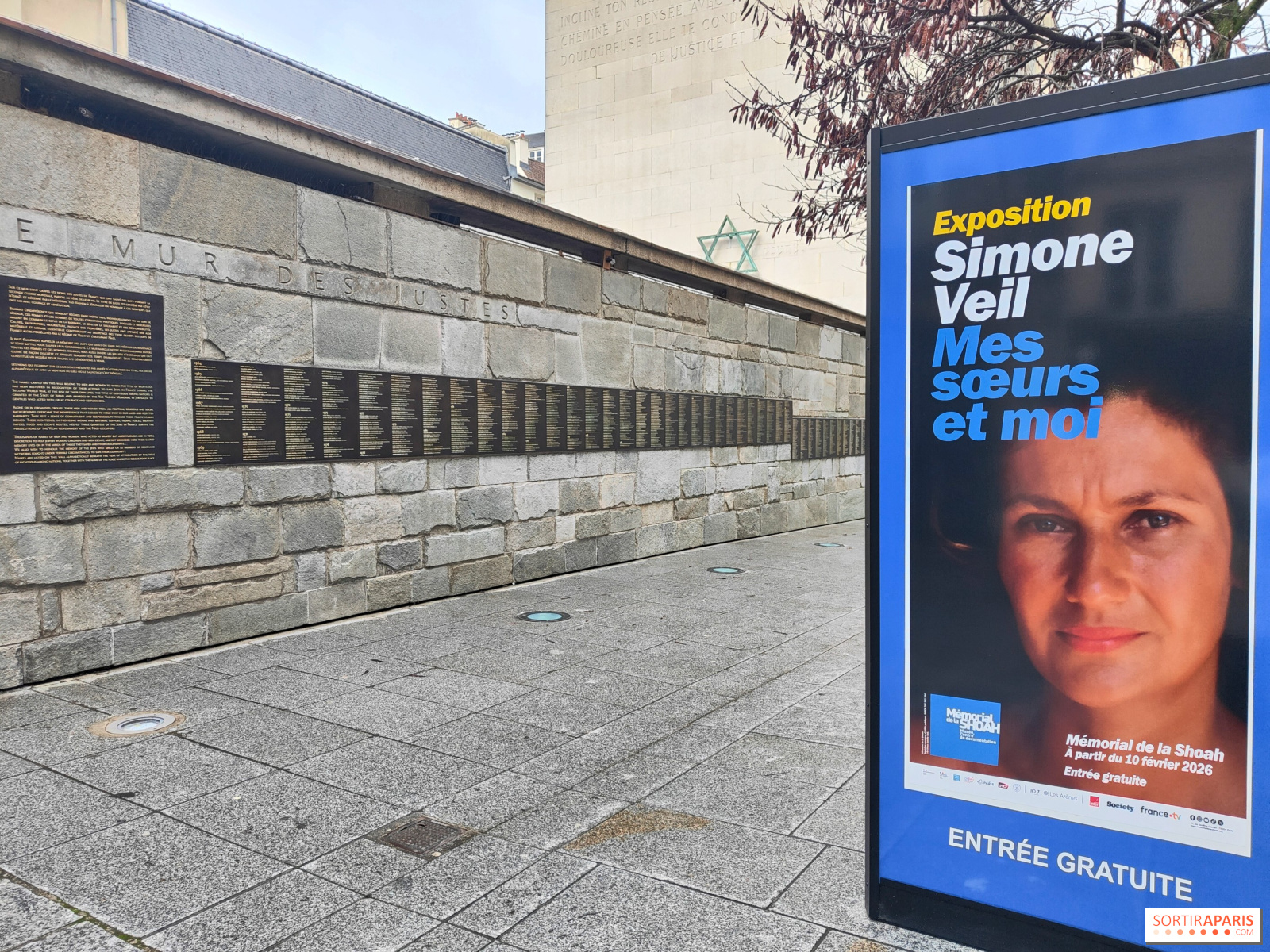
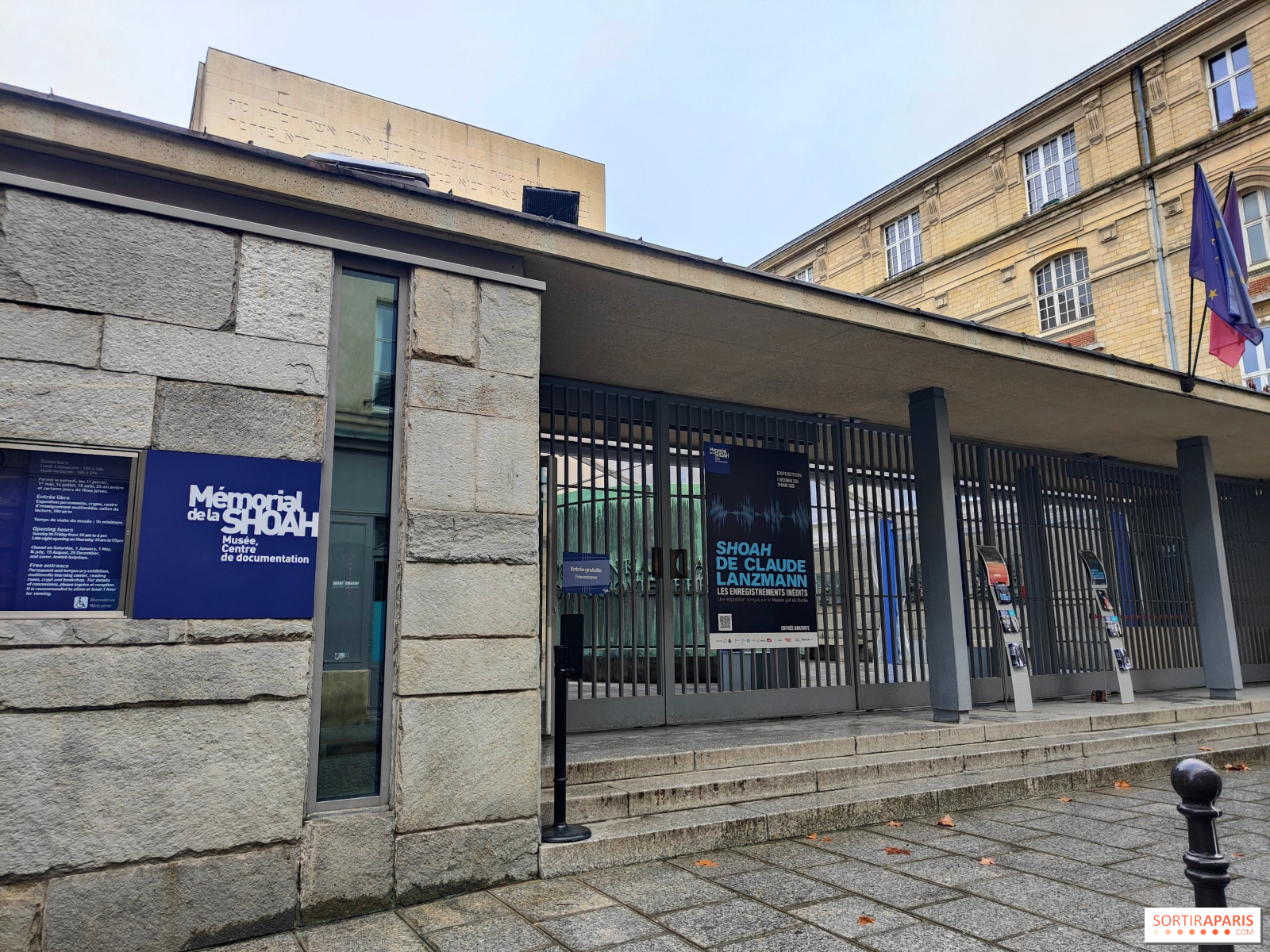
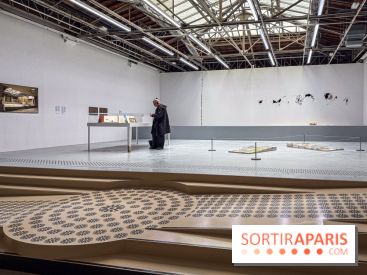
But we know less about the private life of this remarkable woman. Photographer and filmmaker David Teboul aimed to shed light on this lesser-known aspect of Simone Veil through a free exhibition displayed at the Shoah Memorial from February 10 to October 15, 2026.
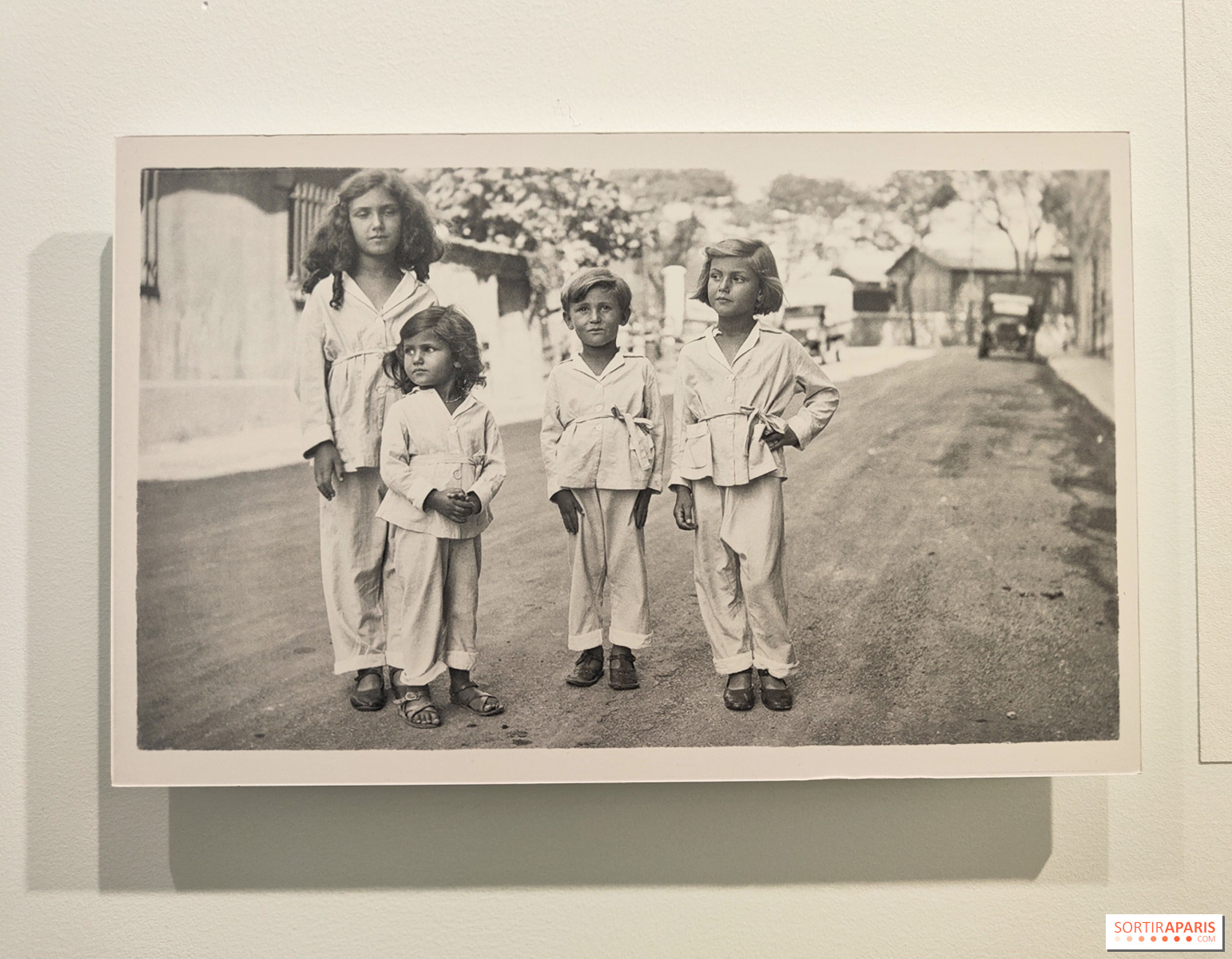
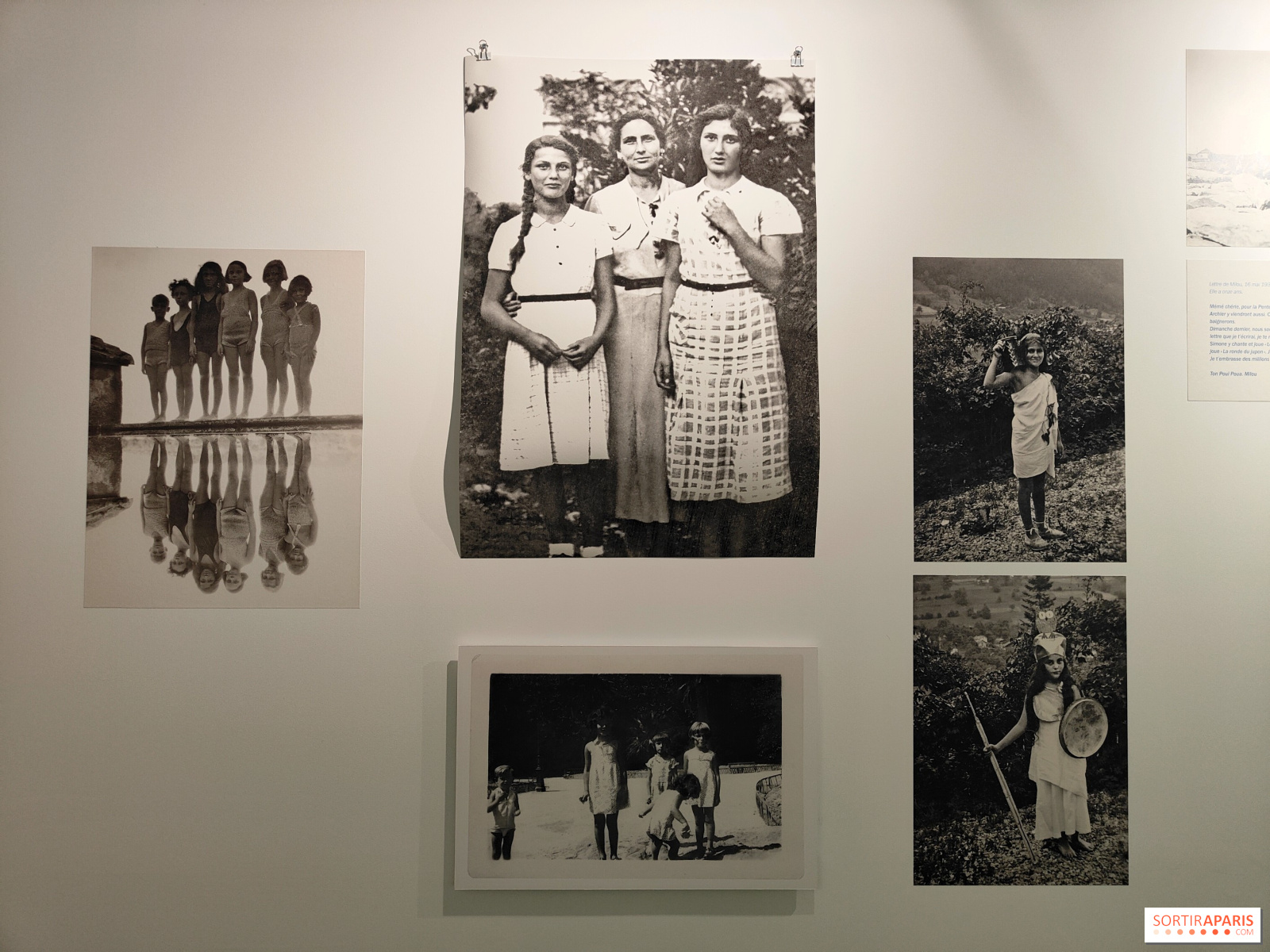
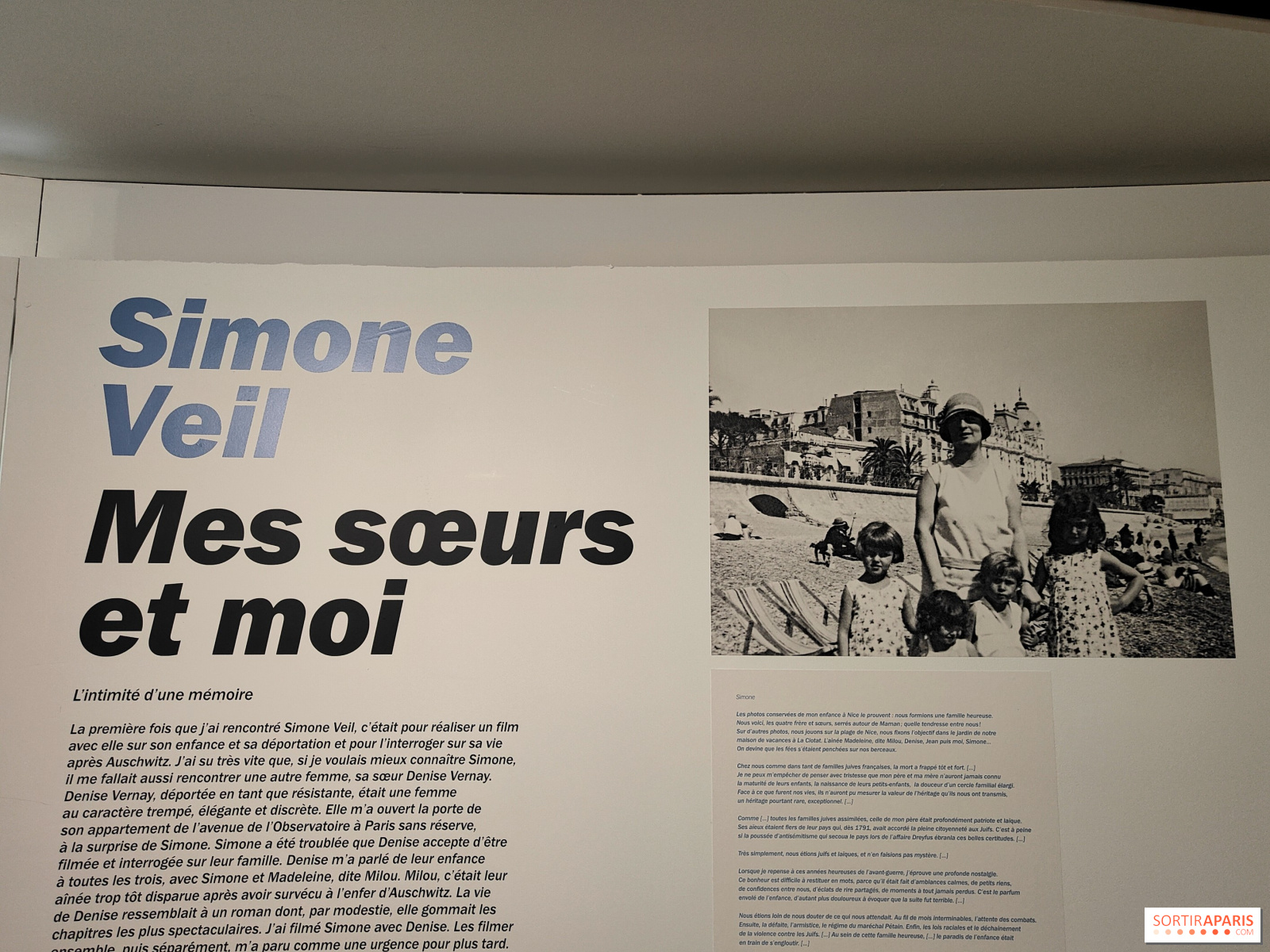
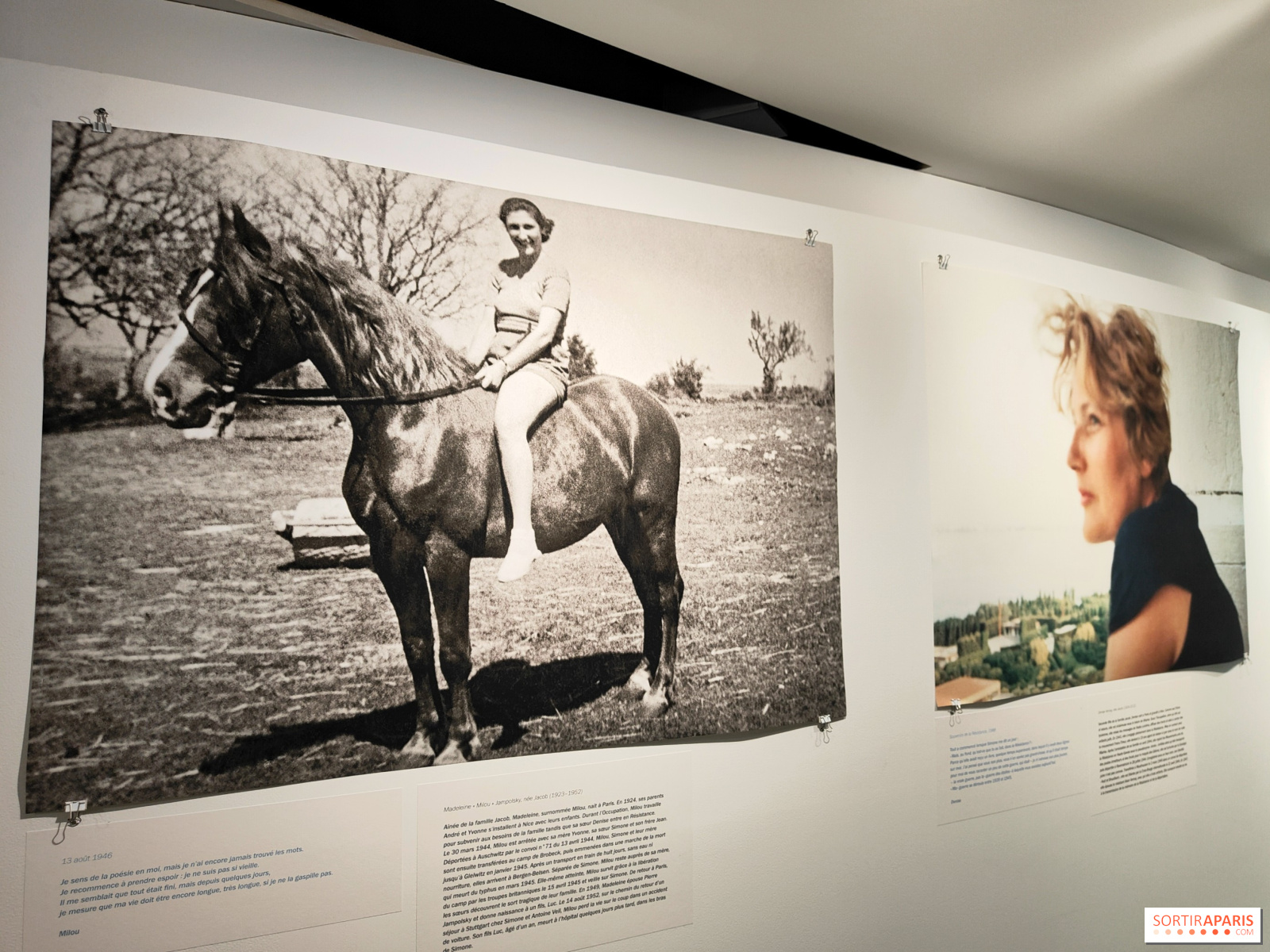
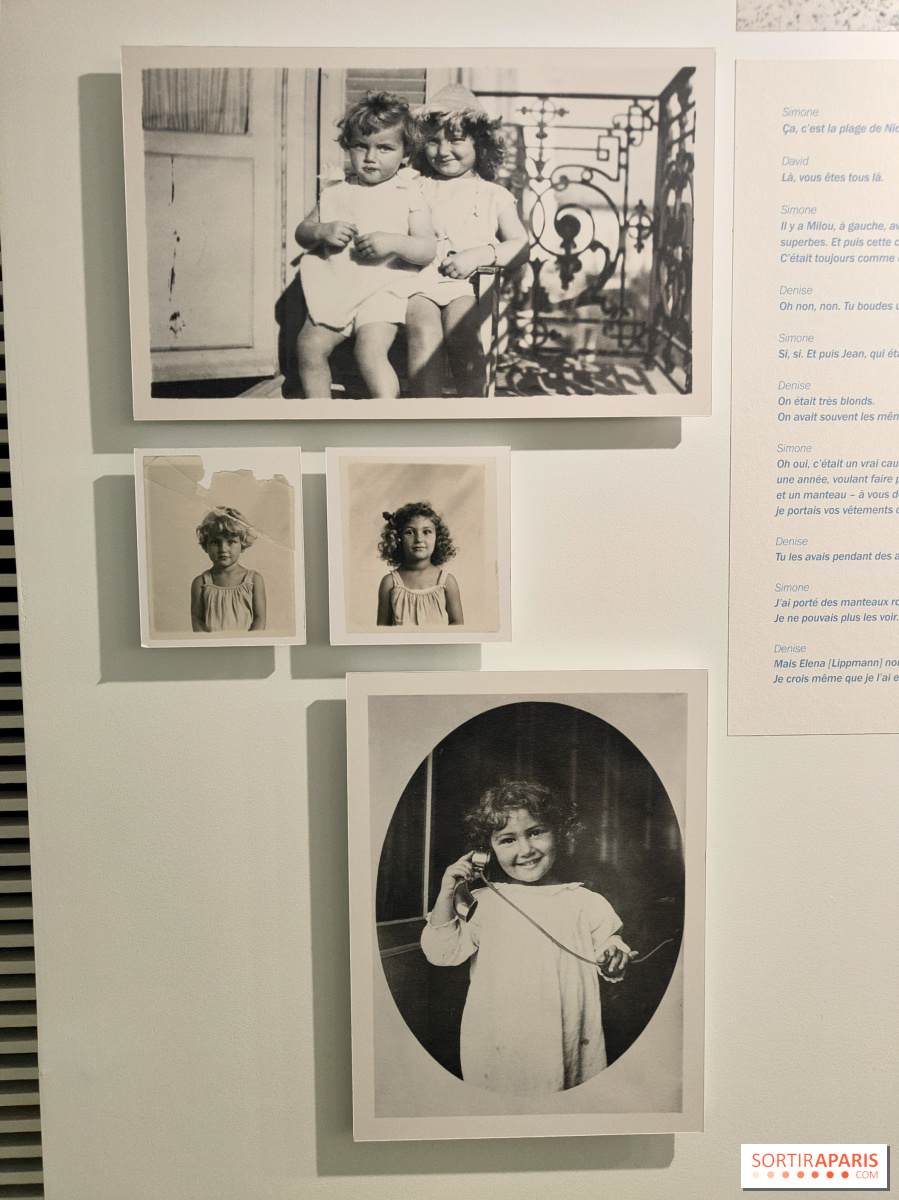
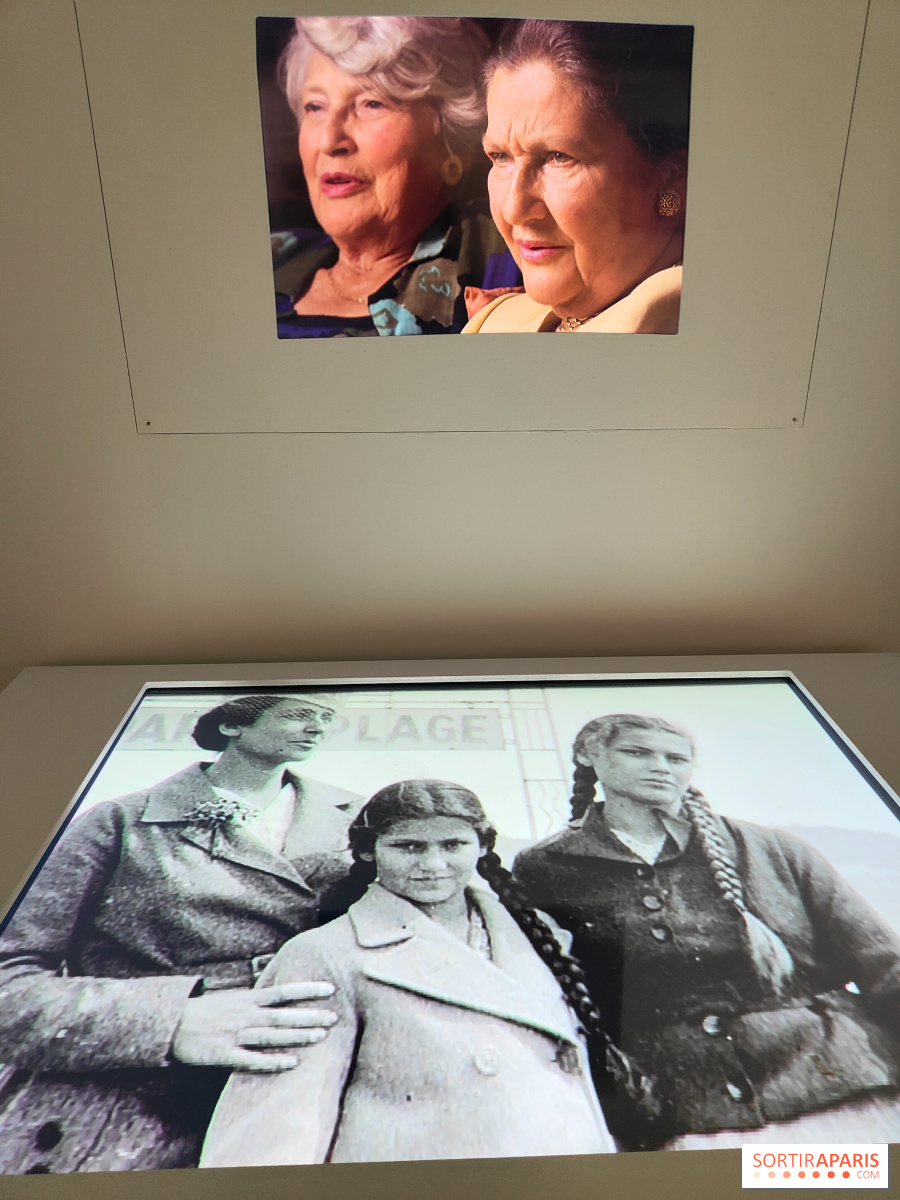
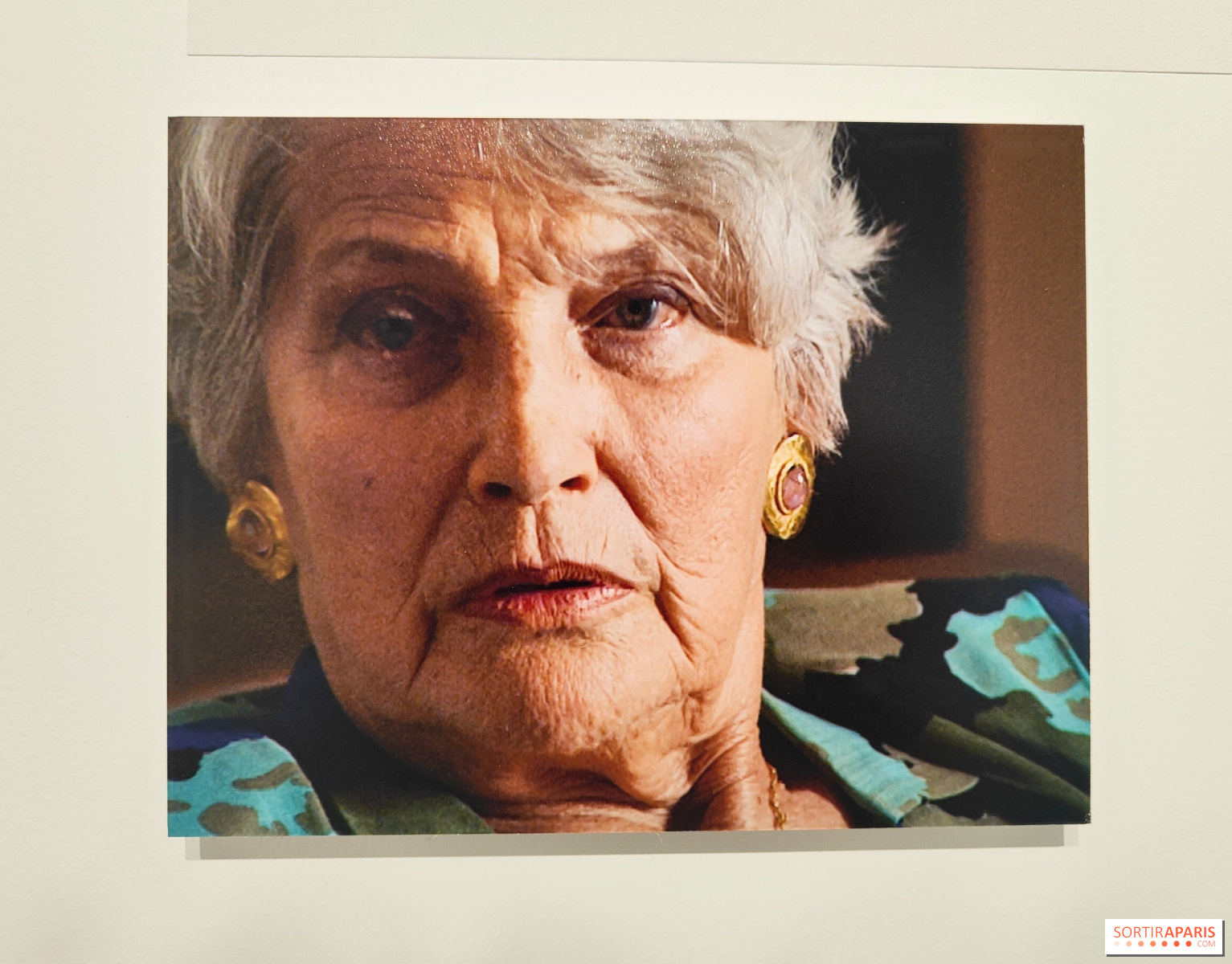
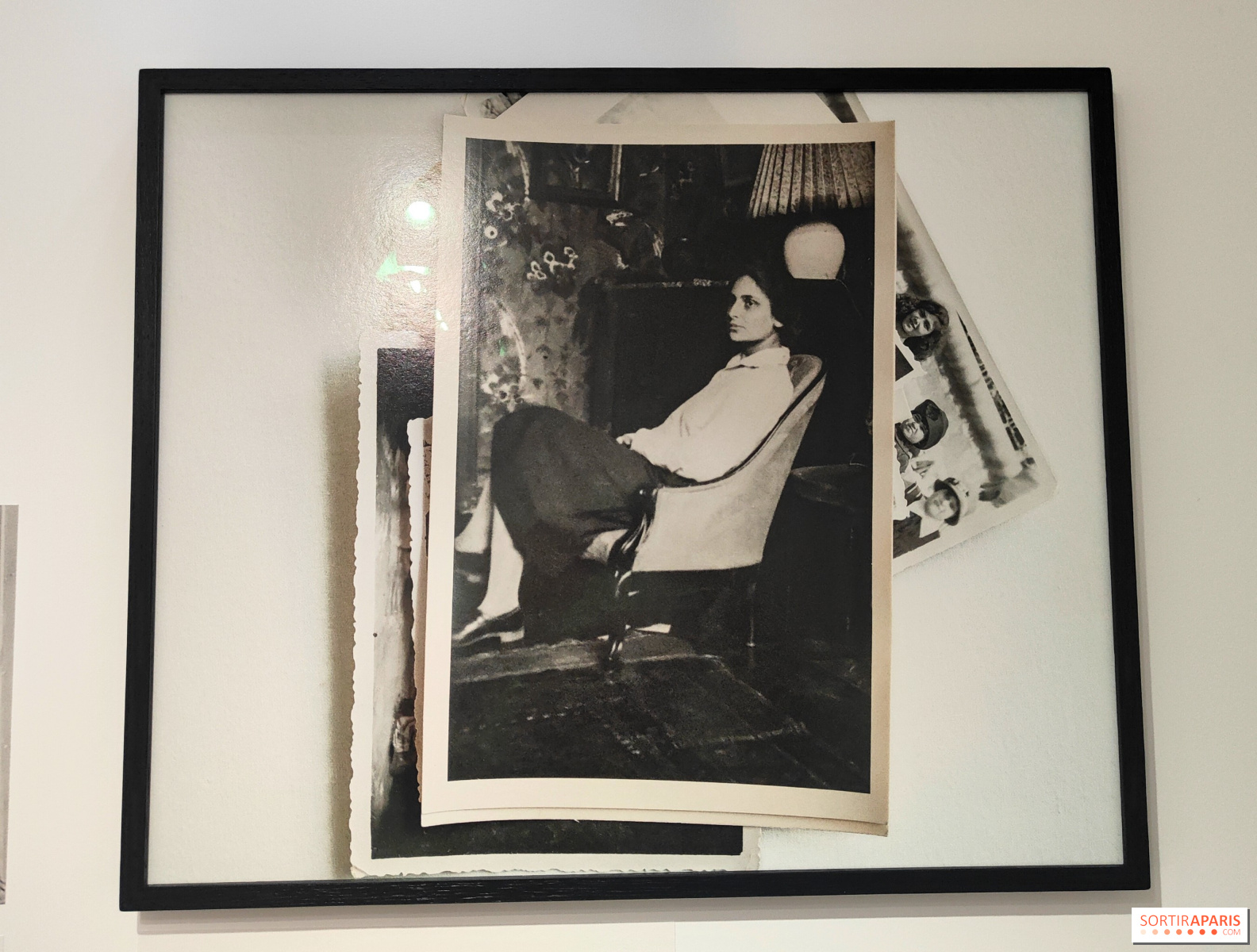
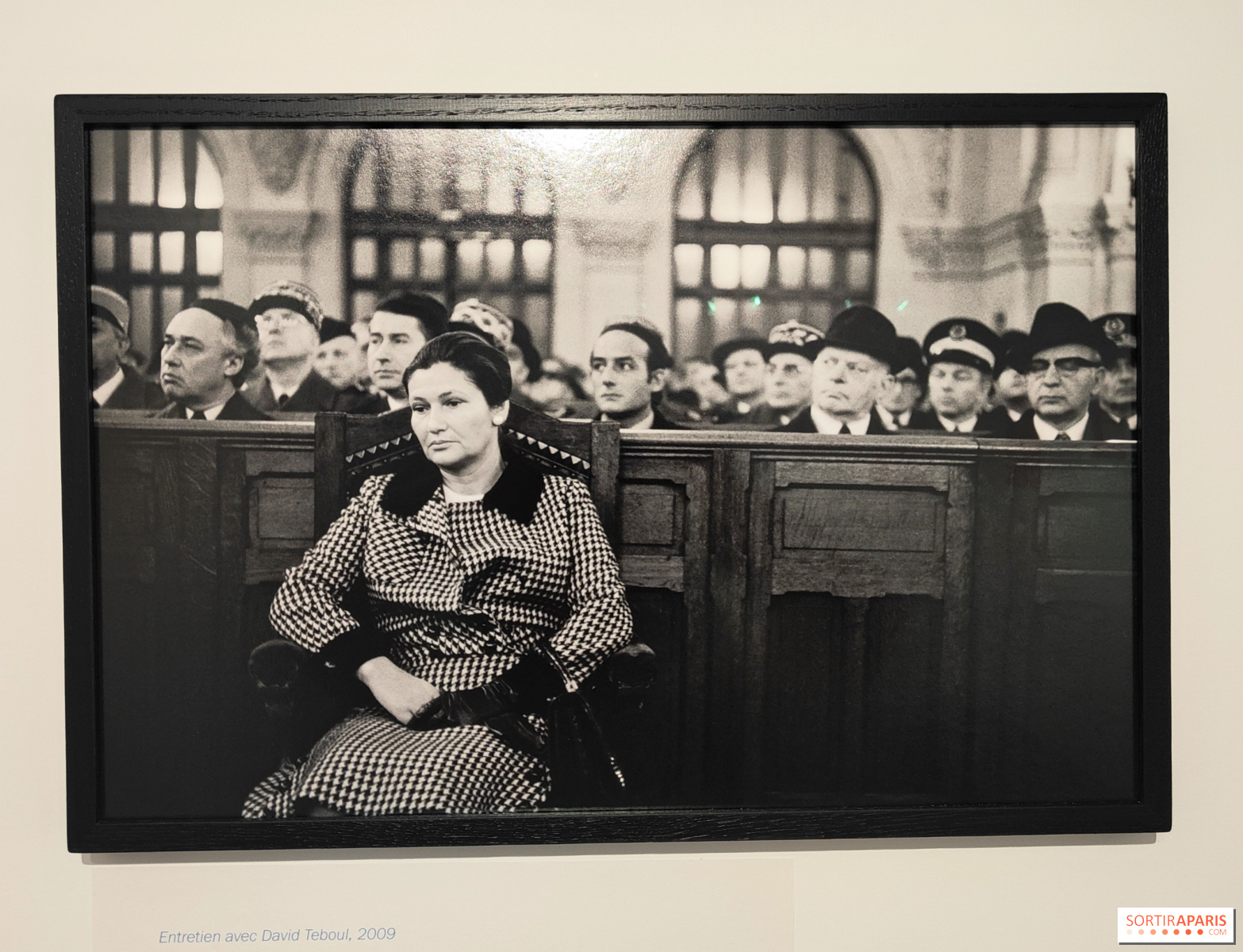
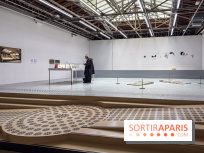
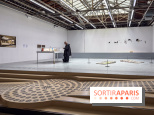
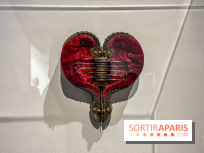
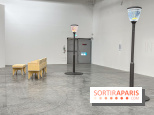
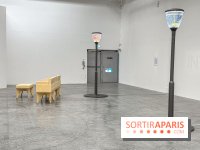
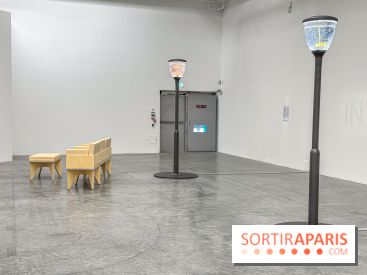
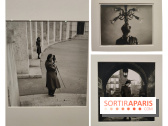
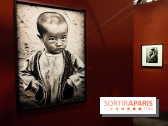
The exhibition Simone Veil. My Sisters and Me features a collection of photographs, vintage documents, letters, and interviews that shed light on the close relationship the stateswoman had with her family. In particular, it explores her bonds with Madeleine (Milou) and Denise, her sisters. Covering their journey from childhood through adulthood, including the war and their deportation experiences, the exhibit reveals how these connections evolved over the years—shaped profoundly by the hardships and events that left deep marks on their lives.
The Jacob family sisters grew up in Nice. Simone was the youngest of four siblings, which also included their little brother Jean. The four children endured the horrors of World War II, being sent to Auschwitz death camps. Their tumultuous, shattered youth is recounted with sensitivity: we learn of Denise's courageous resistance efforts, the arrest of several of the girls, the family’s forced separation, loss, and their journey back to life after the war…
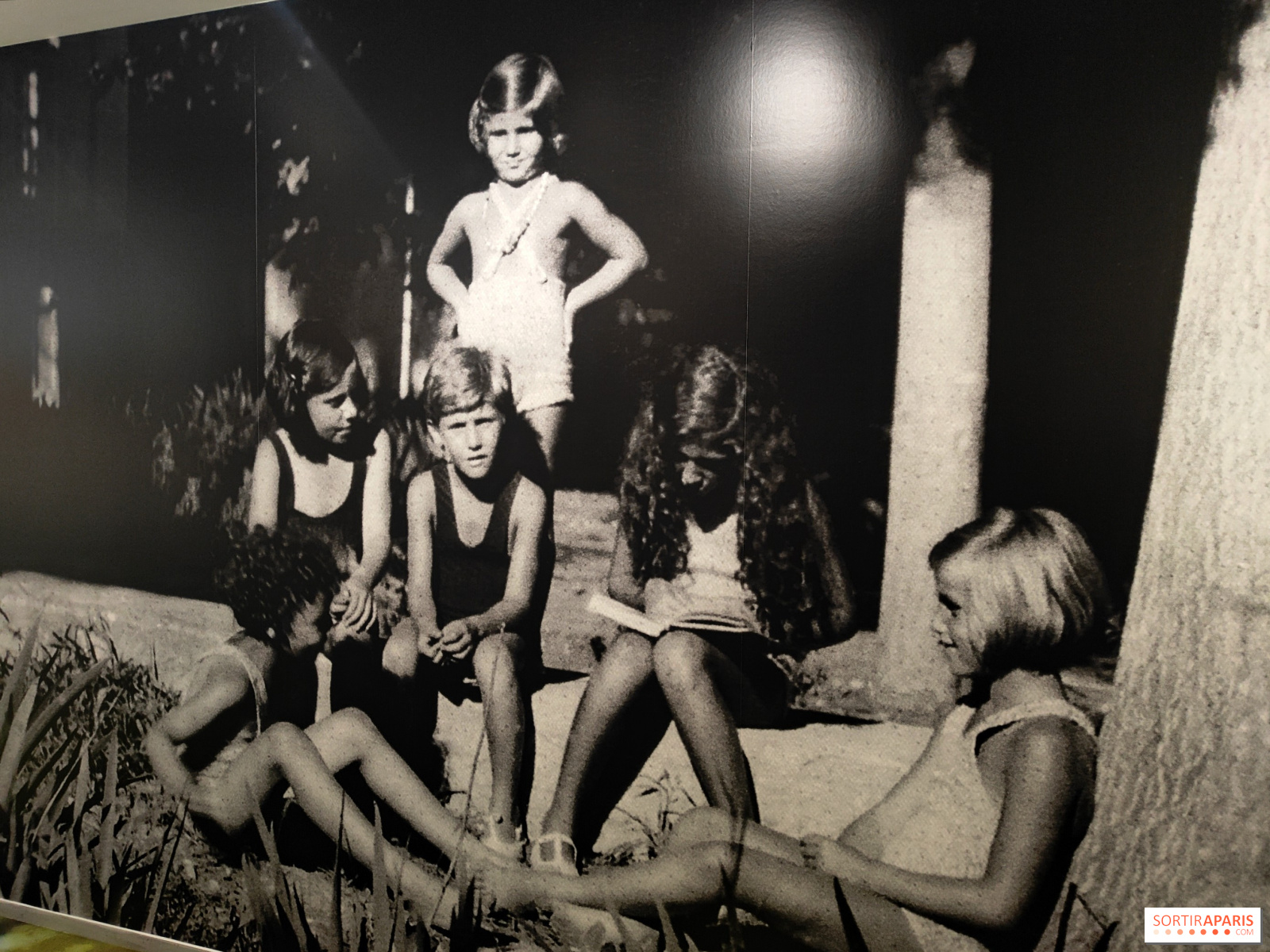
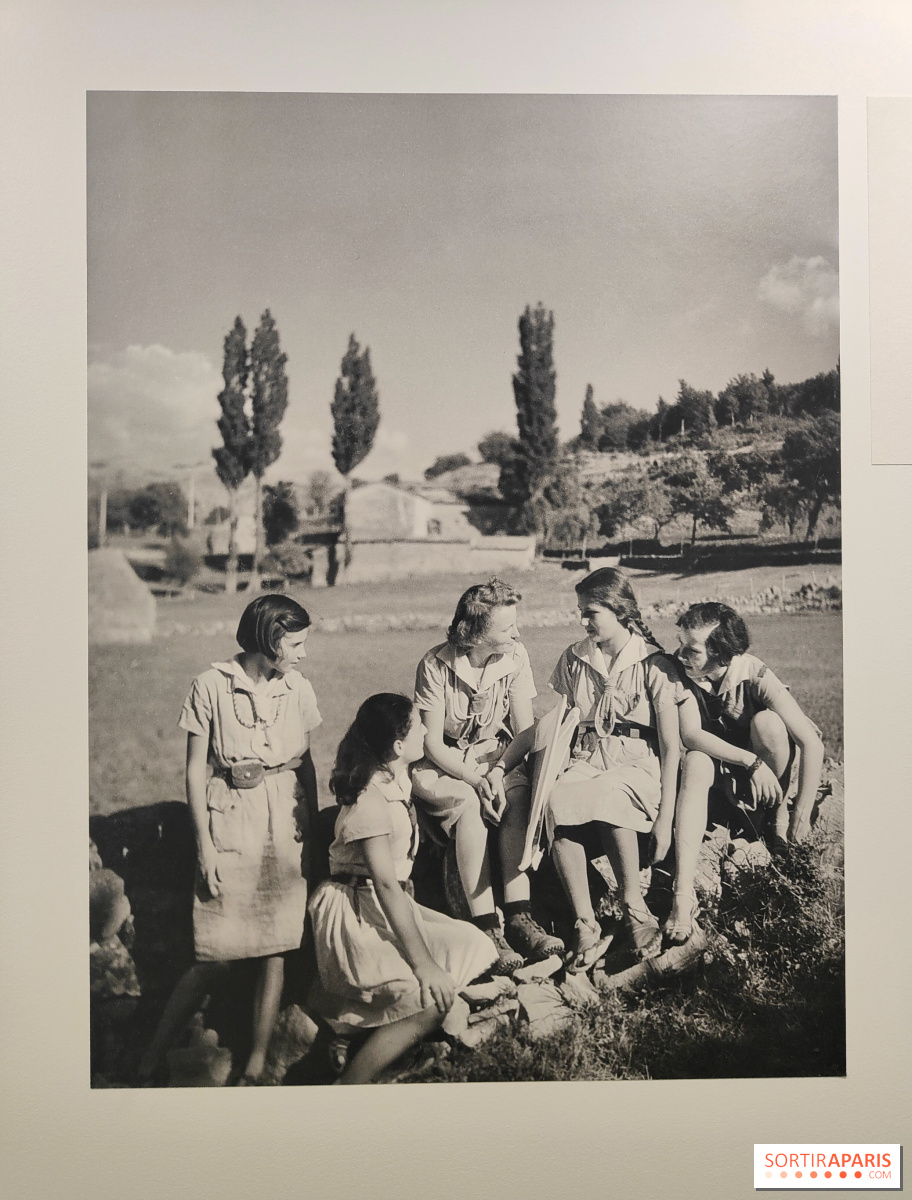
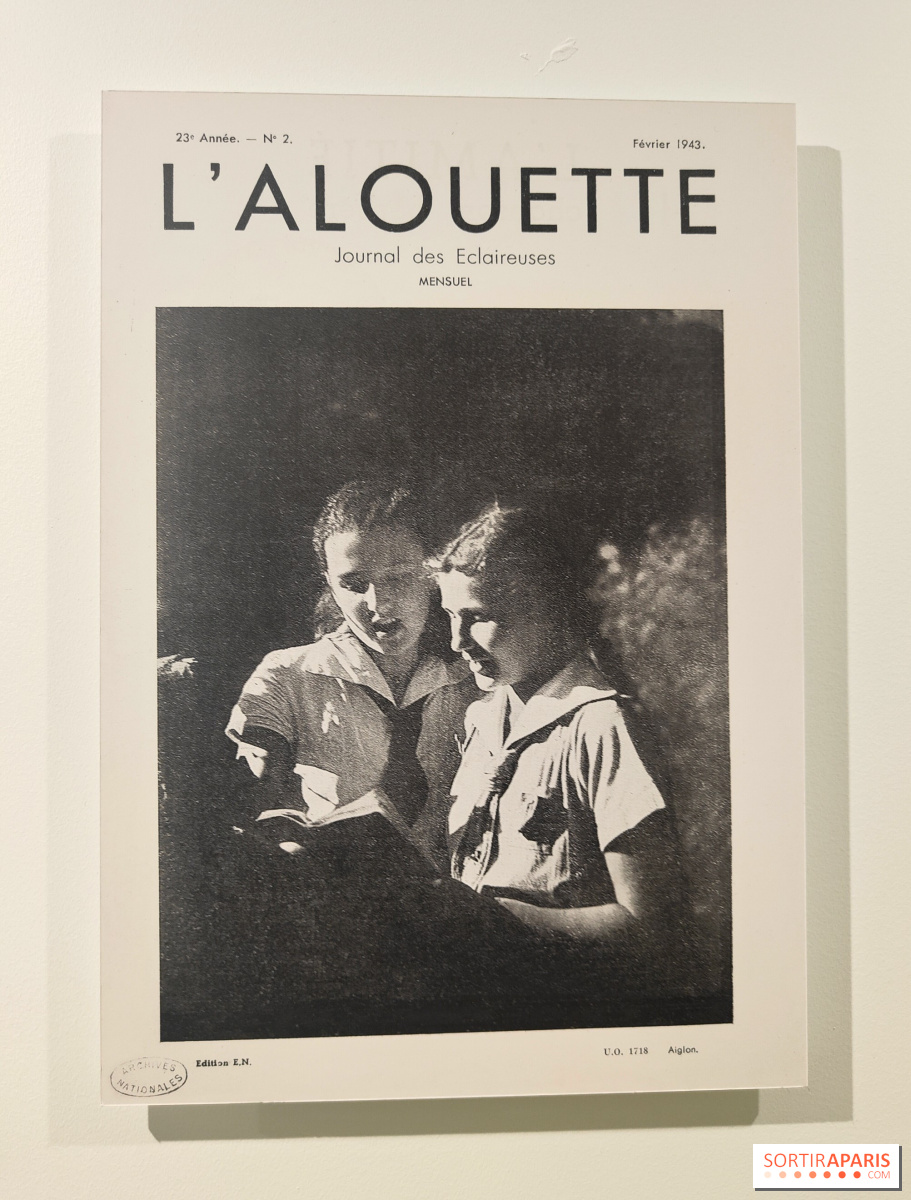
The exhibition is deeply touching: through excerpts from letters, visitors gain insight into the daily lives of young girls—their friendships, romantic stories, and scouting adventures. The backdrop of war subtly weaves through these intimate moments that resonate across generations. Everything changes when the Jacob family is deported. The sisters continue to write to each other, uncertain if their letters will ever reach their intended destinations. Between the lines, one senses their struggle for survival, the illness that claimed many deportees, the pervasive fear, and the profound challenge of reconnecting with the world after 1945.
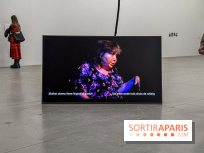
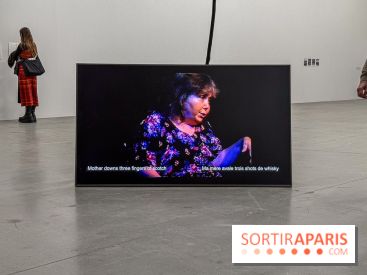
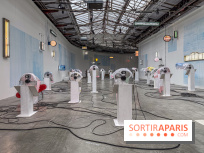
The juxtaposition of joyful childhood photographs with images of adult life, along with the stark tonal shift before and after the war, is nothing short of heartbreaking. Throughout the exhibition, visitors are guided by the voices of three actresses, who read aloud selected excerpts from letters and journals, adding an intimate touch to the experience.
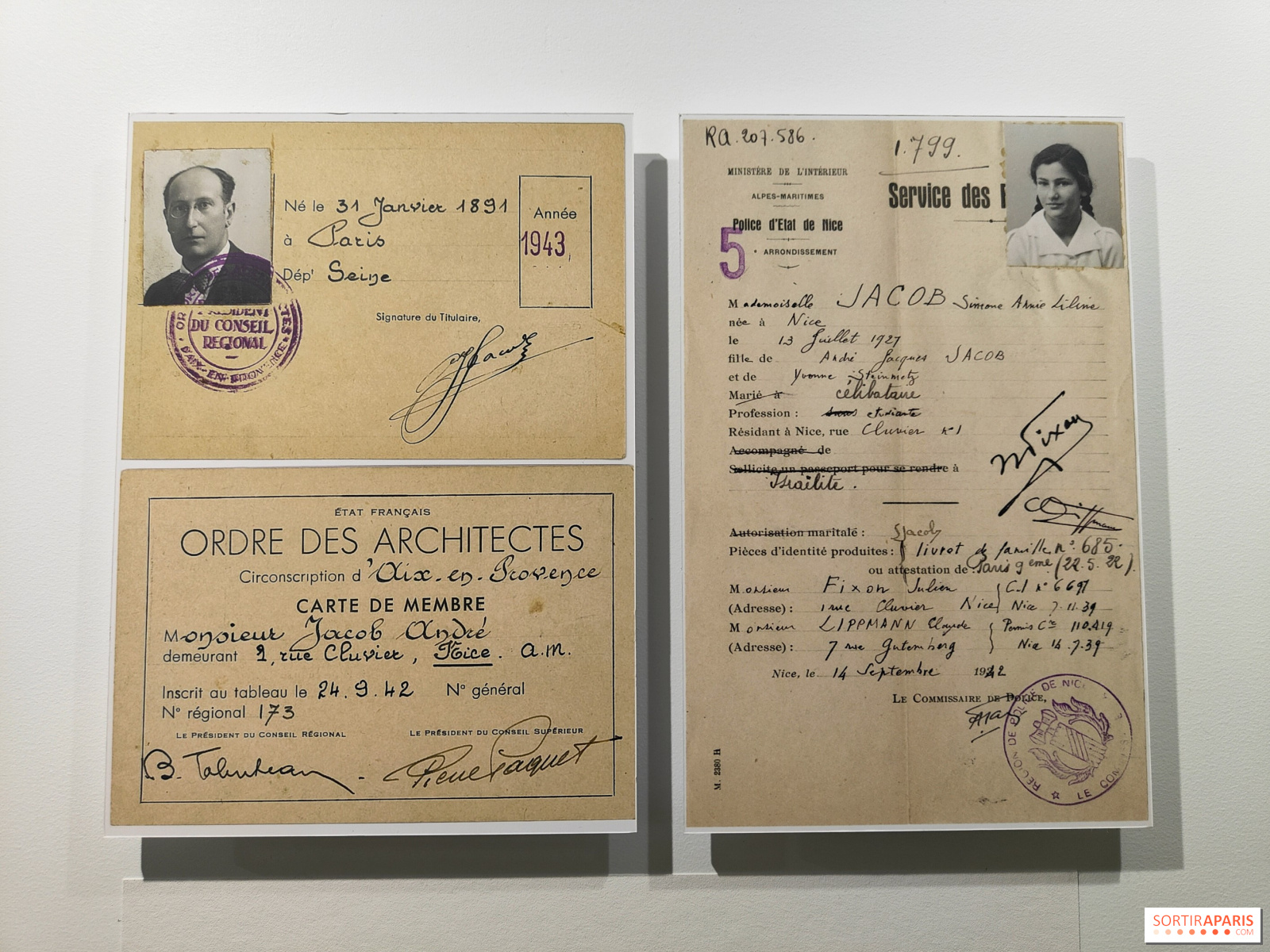
With this exhibition, the Shoah Memorial also sheds light on Simone's sisters—less well-known, but whose journeys are equally extraordinary. Through photographs and personal letters, visitors get a rare glimpse into their private lives, allowing us to understand and connect with them on a deeper level.
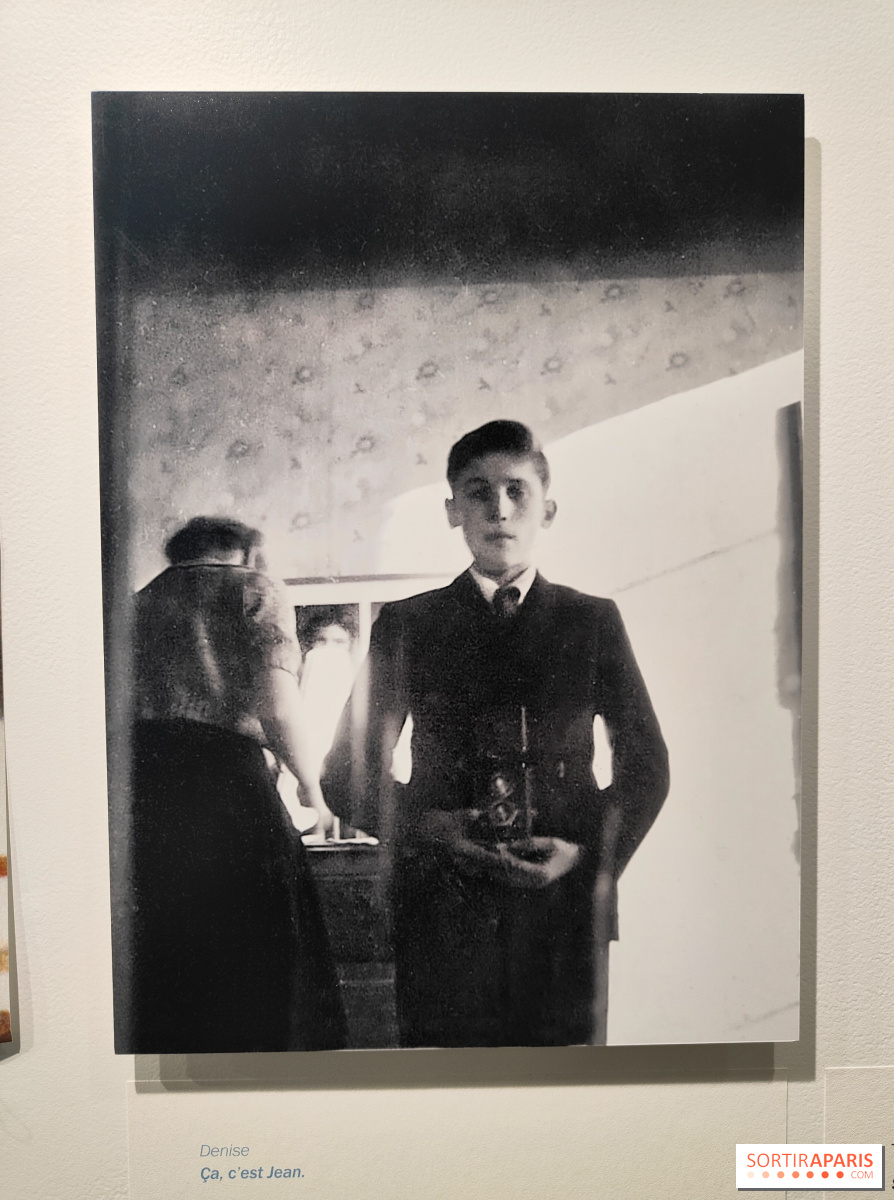
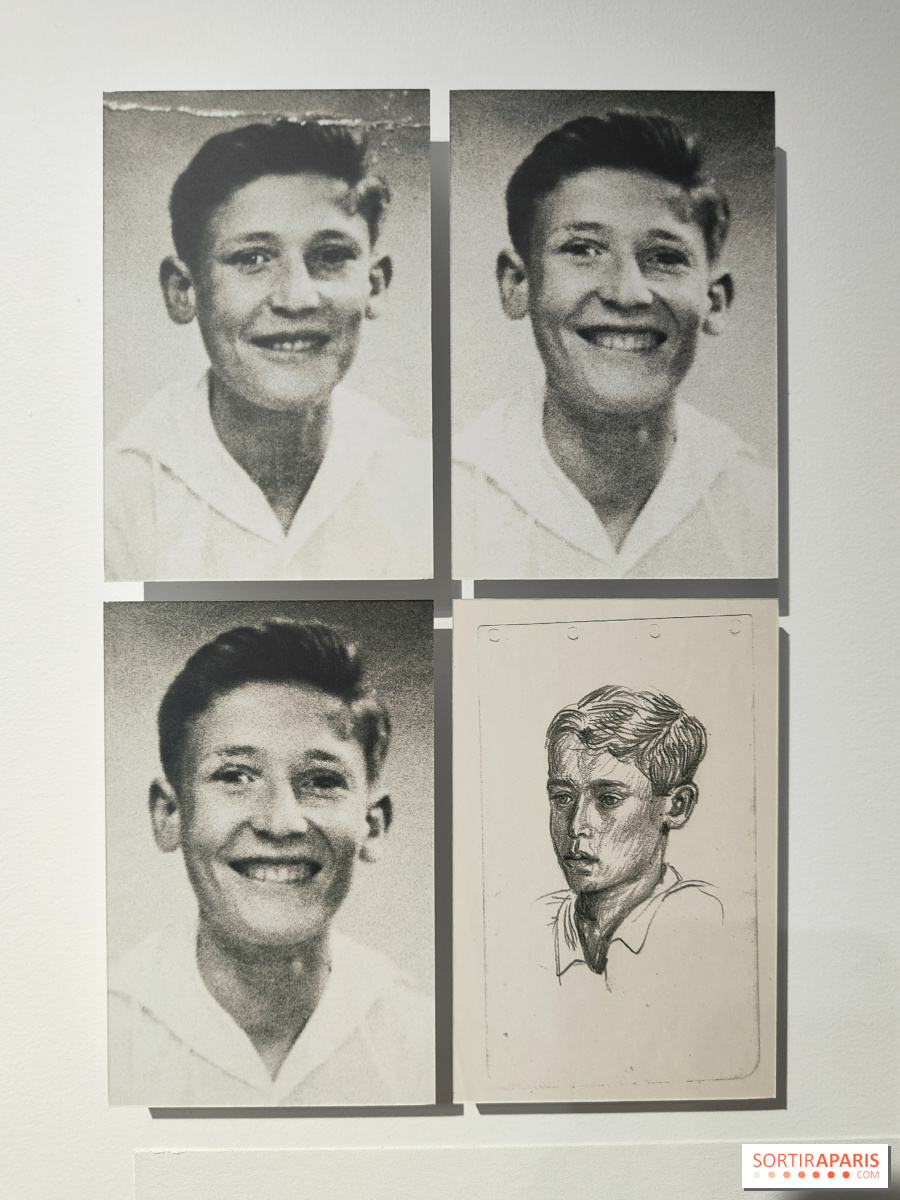
Jean is not forgotten in this exhibition: throughout the display, visitors can find several personal photographs taken by his brother. His story is also highlighted, intertwined with that of the Jacob family’s father.
A compelling story that is both tragic and filled with love awaits at the Memorial to the Shoah in Paris.
This test was conducted as part of a professional invitation. If your experience differs from ours, please let us know.
Dates and Opening Time
From February 10, 2026 to October 15, 2026
Location
Shoah Memorial
17 rue geoffroy l´ asnier
75004 Paris 4
Prices
Free
Official website
billetterie.memorialdelashoah.org