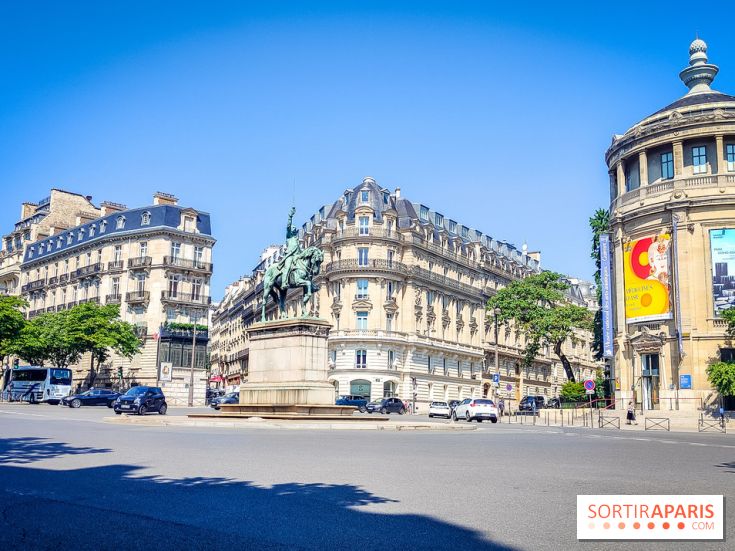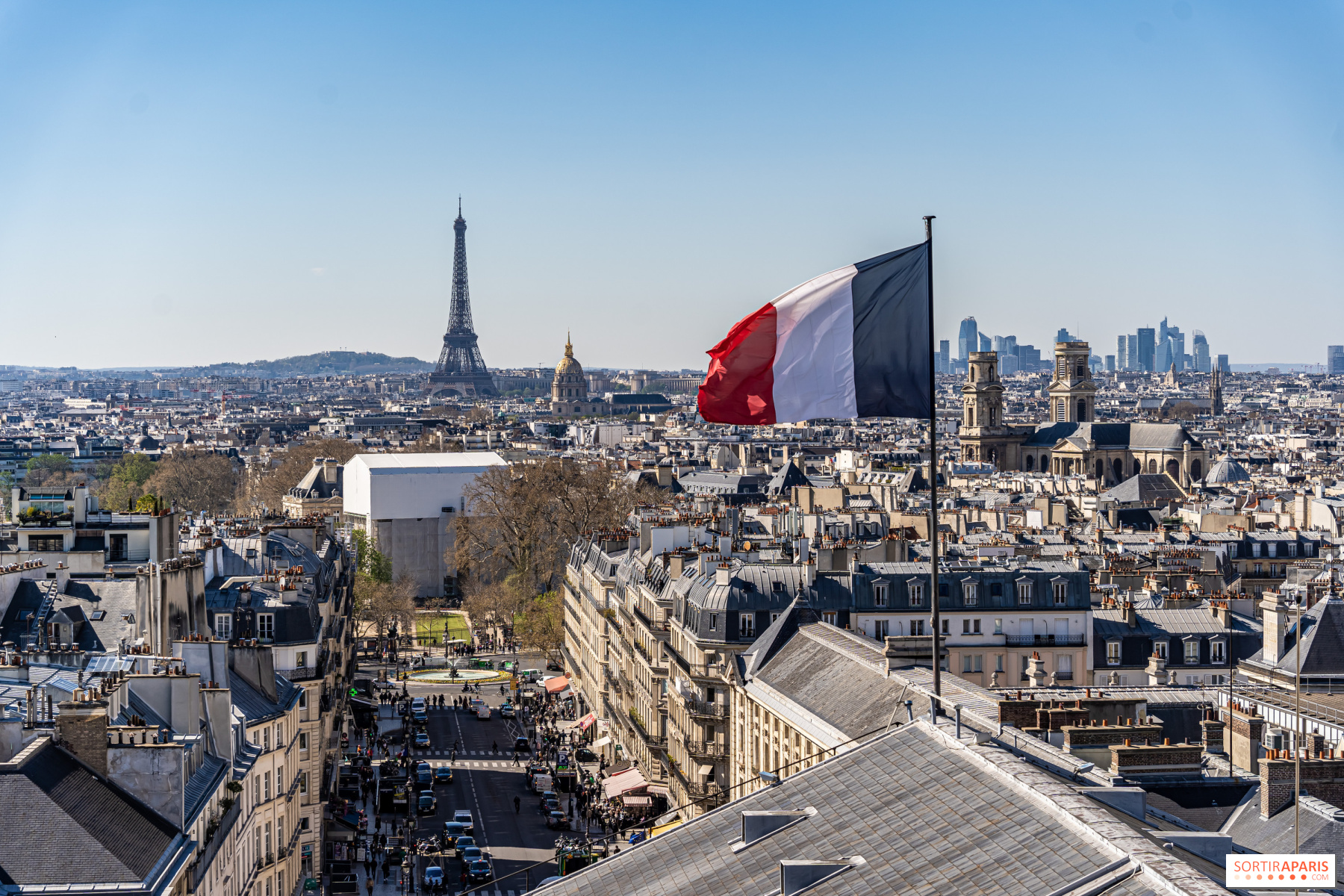
Paris is a city where every street tells a story, and where urban planning reflects the country's political and cultural evolution. Two major axes structure the capital and bear witness to its development over the centuries: thehistoric axis, which follows a monumental line from the Louvre to La Défense, and the more recent republican axis, which crosses eastern Paris and celebrates the values of the Republic. Two urban perspectives that illustrate, each in their own way, the face of Paris yesterday and today.
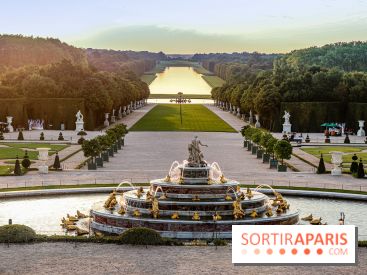
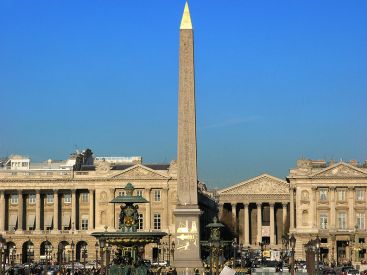
Thehistoric axis, also known asthe "royal road", is undoubtedly the most emblematic. Its route begins at the Louvre palace and stretches in a straight line through place de la Concorde, the Champs-Élysées, theArc de Triomphe and on to the La Défense business district, marked by the Grande Arche. This perfect alignment is the result of a long development process, initiated as early as the XVIIᵉ century by Louis XIV with the creation of the Champs-Élysées, then extended by Napoleon with theArc de Triomphe.

The idea behind this axis was to magnify power by creating a monumental perspective, with each crossing point representing a key era in French history. Originally, the route was used for royal and military processions. Today, it has become the symbol of Parisian prestige, bringing together political institutions, cultural venues and economic hubs.
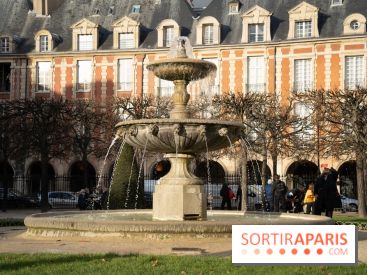
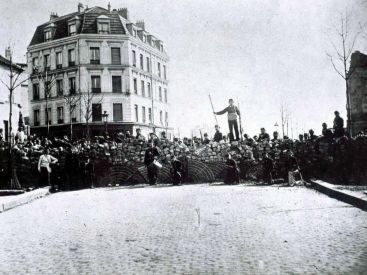
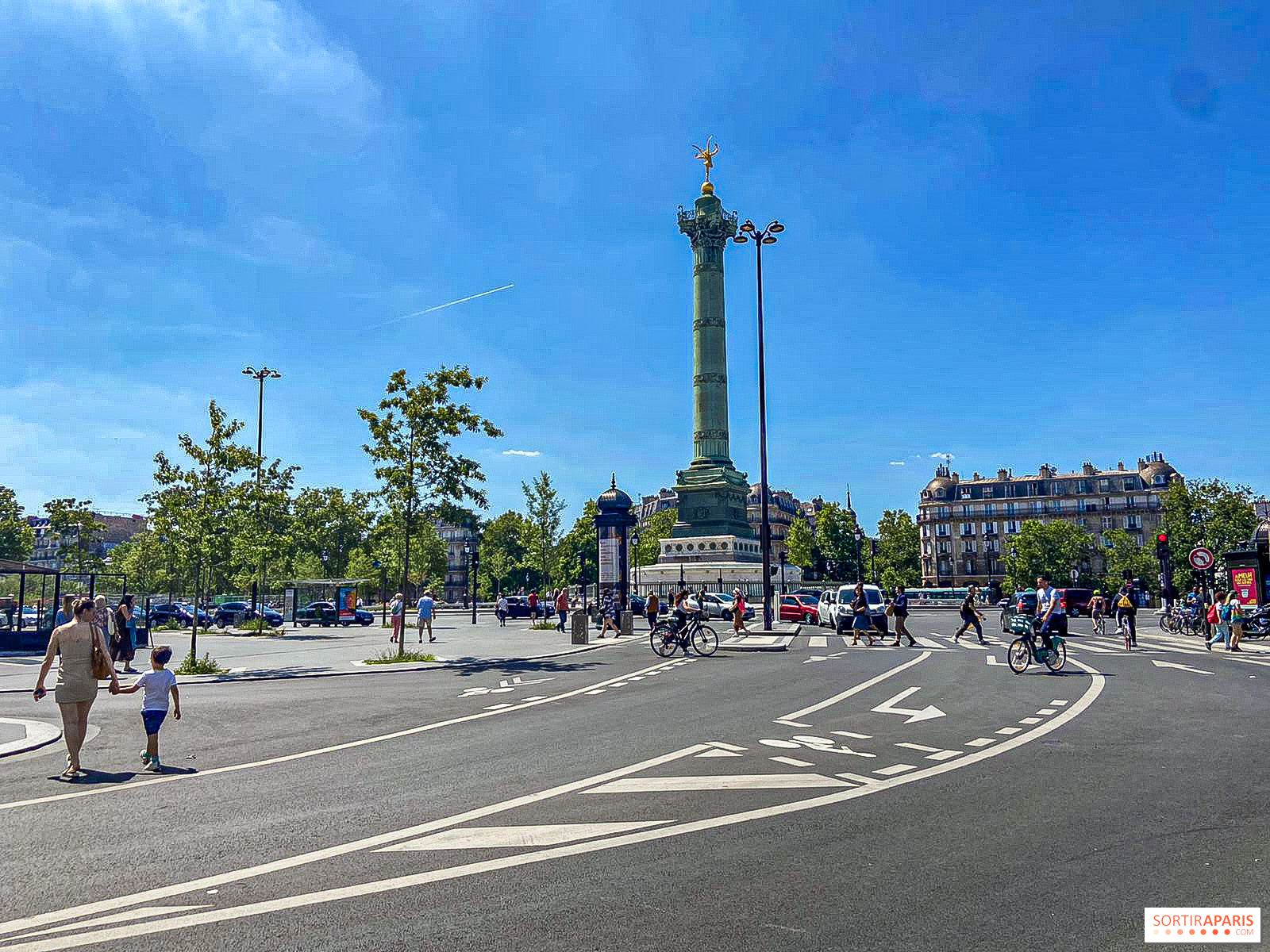
Less well known but just as symbolic, the Republican axis crosses Paris from east to west, linking place de la Nation, place de la République and place de la Bastille. Unlike thehistorical axis, which focuses on the great figures of power, this alignment highlights the ideals of liberty, equality and fraternity. These three squares were the scene of major revolutionary events and remain popular gathering places today.
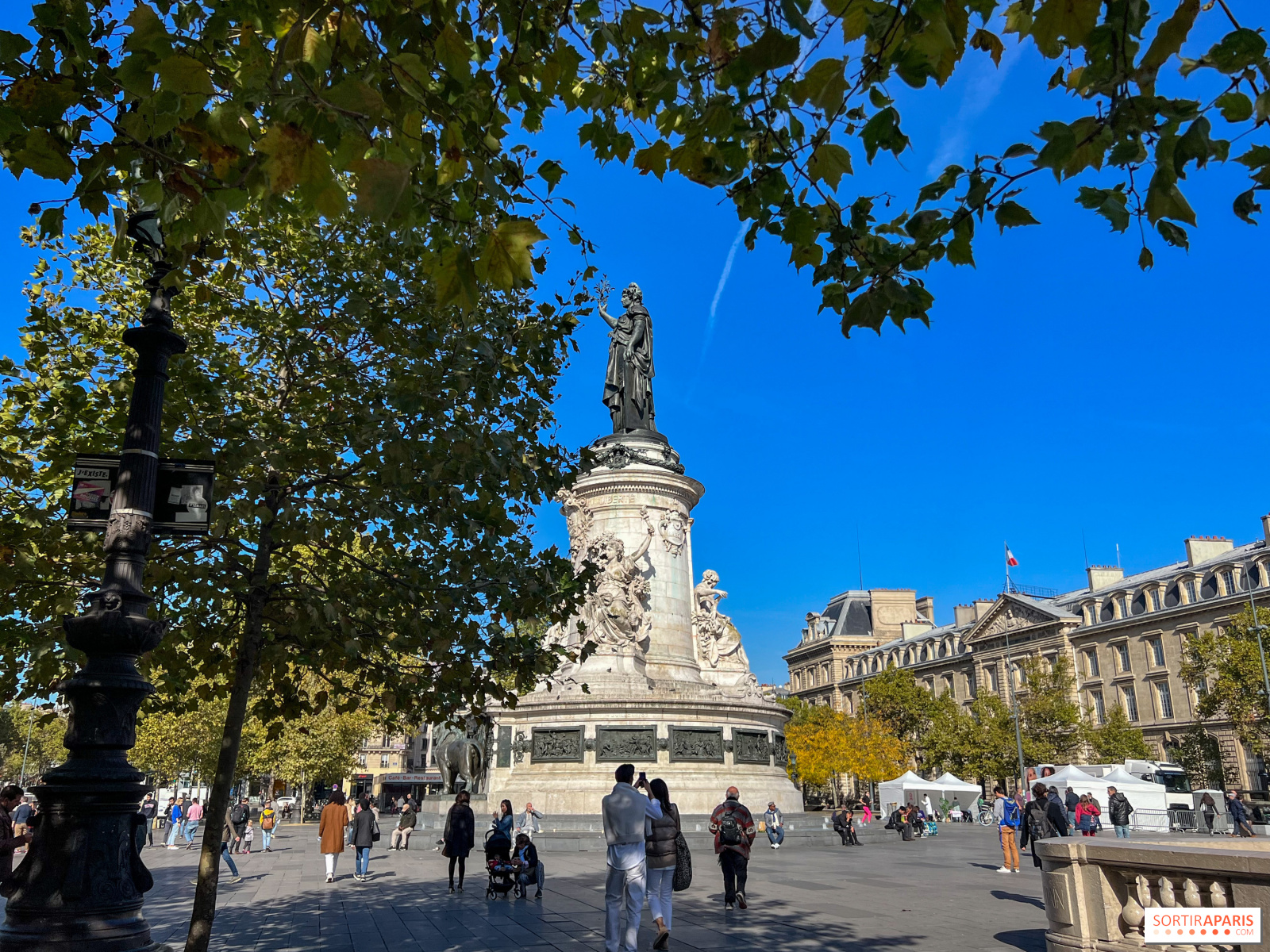
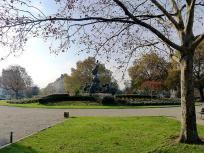
This axis was born of the desire to affirm a city turned towards the people, in opposition to the royal perspective. It represents the great democratic battles and is regularly the setting for civic demonstrations and celebrations. The statue of Marianne enthroned at the center of the Place de la République is one of its most striking symbols.
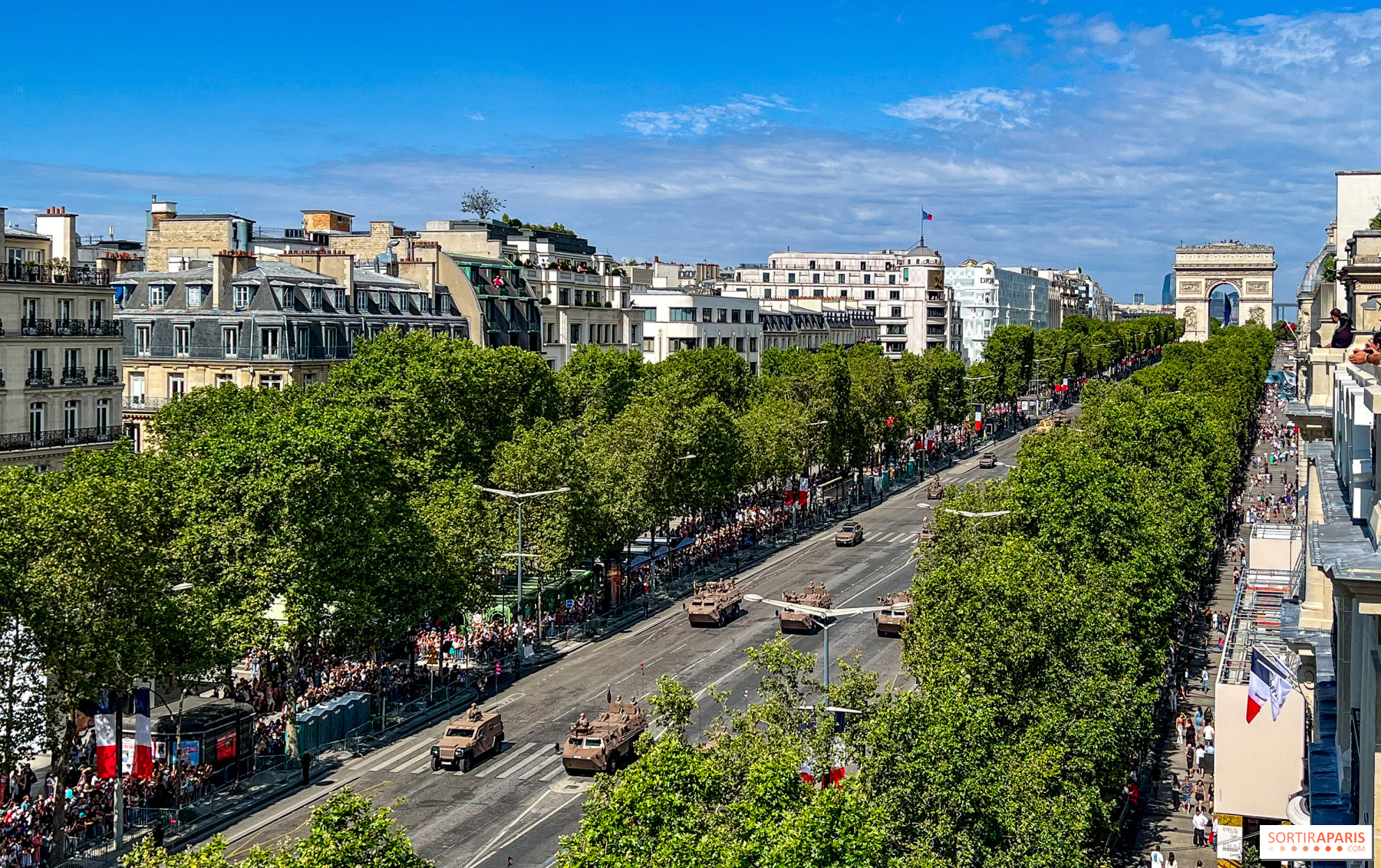
While the historical axis illustrates Paris's past grandeur and openness to prestige and power, the republican axis embodies democratic evolution and the voice of the people. The two perspectives thus sketch a Paris that oscillates between monarchical heritage and republican affirmation. Today, these two axes continue to structure Parisian life, each in their own way. Thehistoric axis remains the scene of major national celebrations and official parades, such as the July 14 parade on the Champs-Élysées, where the French army marches under theArc de Triomphe in a staging that perpetuates the monarchical and imperial tradition of military grandeur. It is also a popular venue for tourists and major sporting events, such as the arrival of the Tour de France.
The Republican axis, for its part, has become the epicenter of citizens' rallies and political demands. The Place de la République, with its statue of Marianne, is today the starting and finishing point for large-scale demonstrations, whether marches for social rights, mobilizations in favor of freedoms or collective tributes after significant events. As for the Place de la Bastille, it remains a symbol of protest and revolutionary memory, where unions and collectives regularly gather to make their voices heard. These two historical landmarks are not only architectural lines, but also living landmarks that give rhythm to the democratic and cultural life of Paris.
Whether you're a history buff or just a stroller, strolling along these routes means exploring two facets of the capital: one marked by its palaces and triumphal arches, the other animated by its squares steeped in memory and struggle. Two ways of understanding Paris, its history and its identity.
This page may contain AI-assisted elements, more information here.