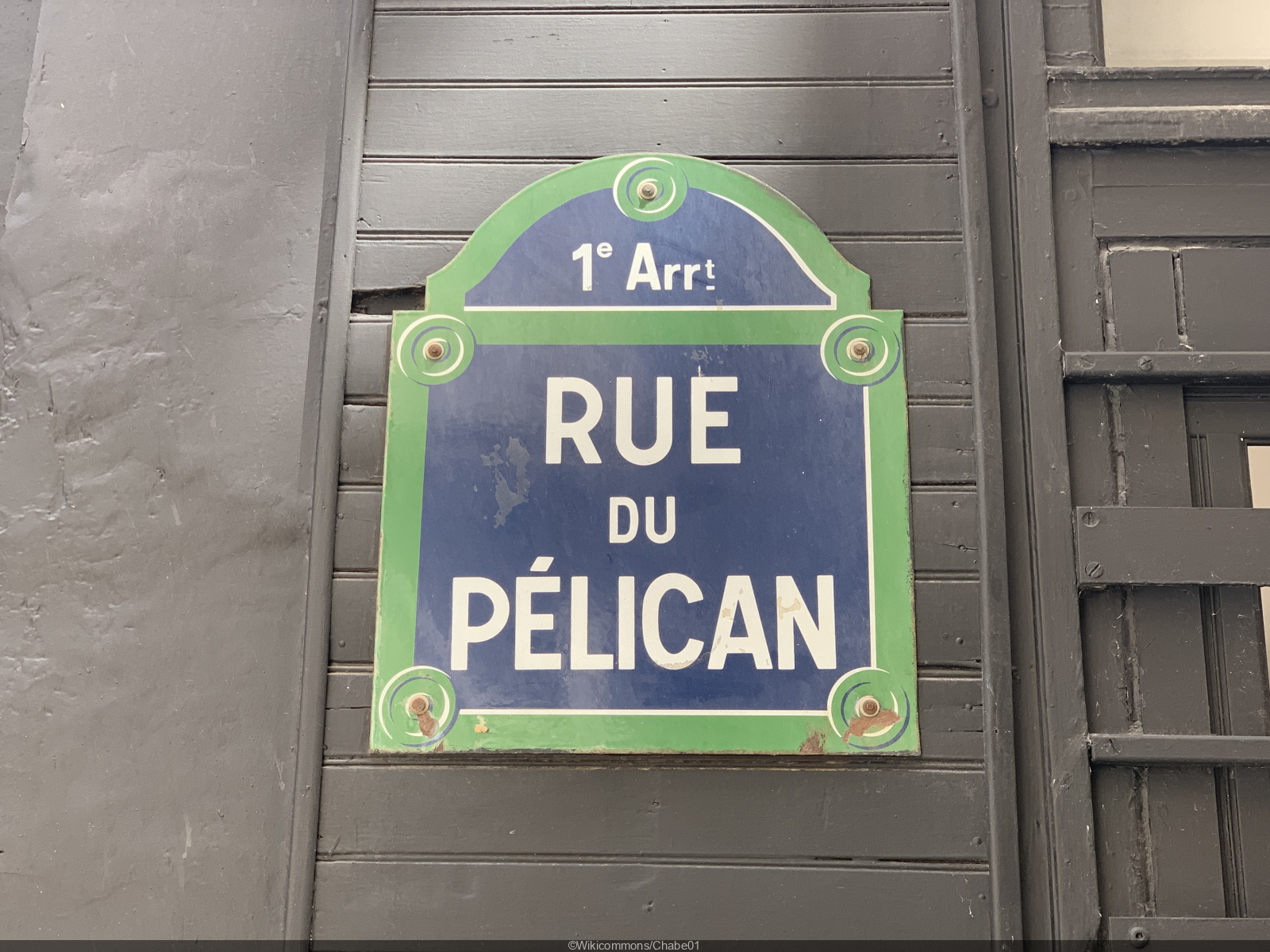
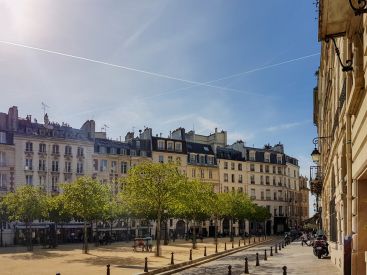
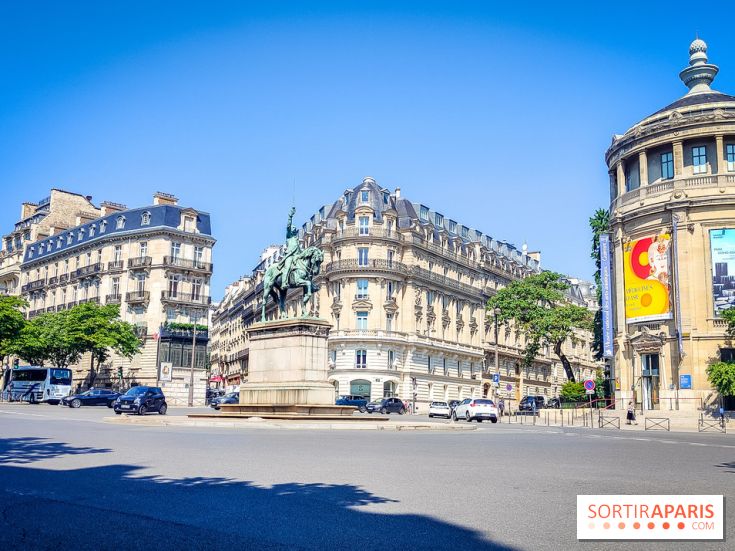
Did you know? In the heart of Paris's 1st arrondissement, between Rue Jean-Jacques Rousseau and Rue Croix-des-Petits-Champs, Rue du Pélican intrigues with its unusual name. Just 62 meters short, this discreet alleyway, close to the Ministry of Culture, conceals a past far less wise than its current name suggests. Originally, this street bore a much more evocative name: rue du Poil-au-Con, attested as early as the 14th century.
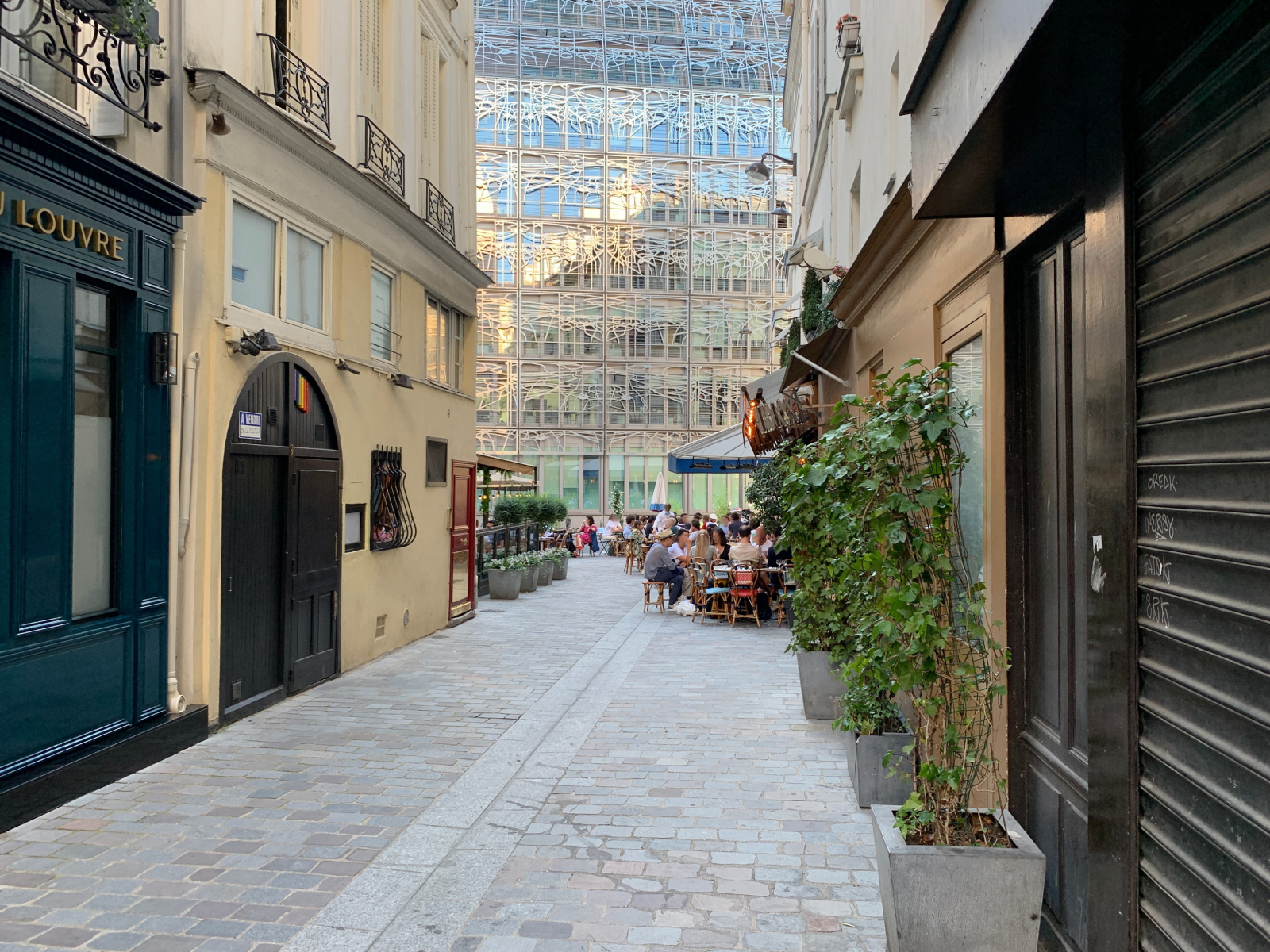
This crude name echoes the original function of this thoroughfare, then located on the outskirts of Philippe Auguste's ramparts. Under the reign of Saint-Louis, prostitution was tolerated here, and many women offered their services. This context gave rise to the street's saucy name for several centuries. One linguistic testimony suggests that "poiler" once meant "to peel", reinforcing the slang dimension of the name.
In 1792, at the height of the French Revolution, rue du Poil-au-Con was renamed rue Purgée, to reflect the expulsion of prostitutes. This attempt at moralization only lasted a few years. In 1800, it was renamed " rue de la Barrière-des-Sergents ", in reference to a nearby barrier on rue Saint-Honoré. It wasn't until 1806 that it officially became " rue du Pélican ", a modest distortion of its original name. As no bird has ever been associated with this street, the hypothesis of a phonetic transformation intended to make people forget its past seems the most likely.
The writer Louis-Ferdinand Céline alluded to this in Guignol's Band, when a character declared: " I am not the Pelican ". It's a roundabout way of recalling the rich history of this street, now forgotten by most passers-by. The name change illustrates a long-standing desire to erase certain traces of Paris's social history.
This page may contain AI-assisted elements, more information here.